
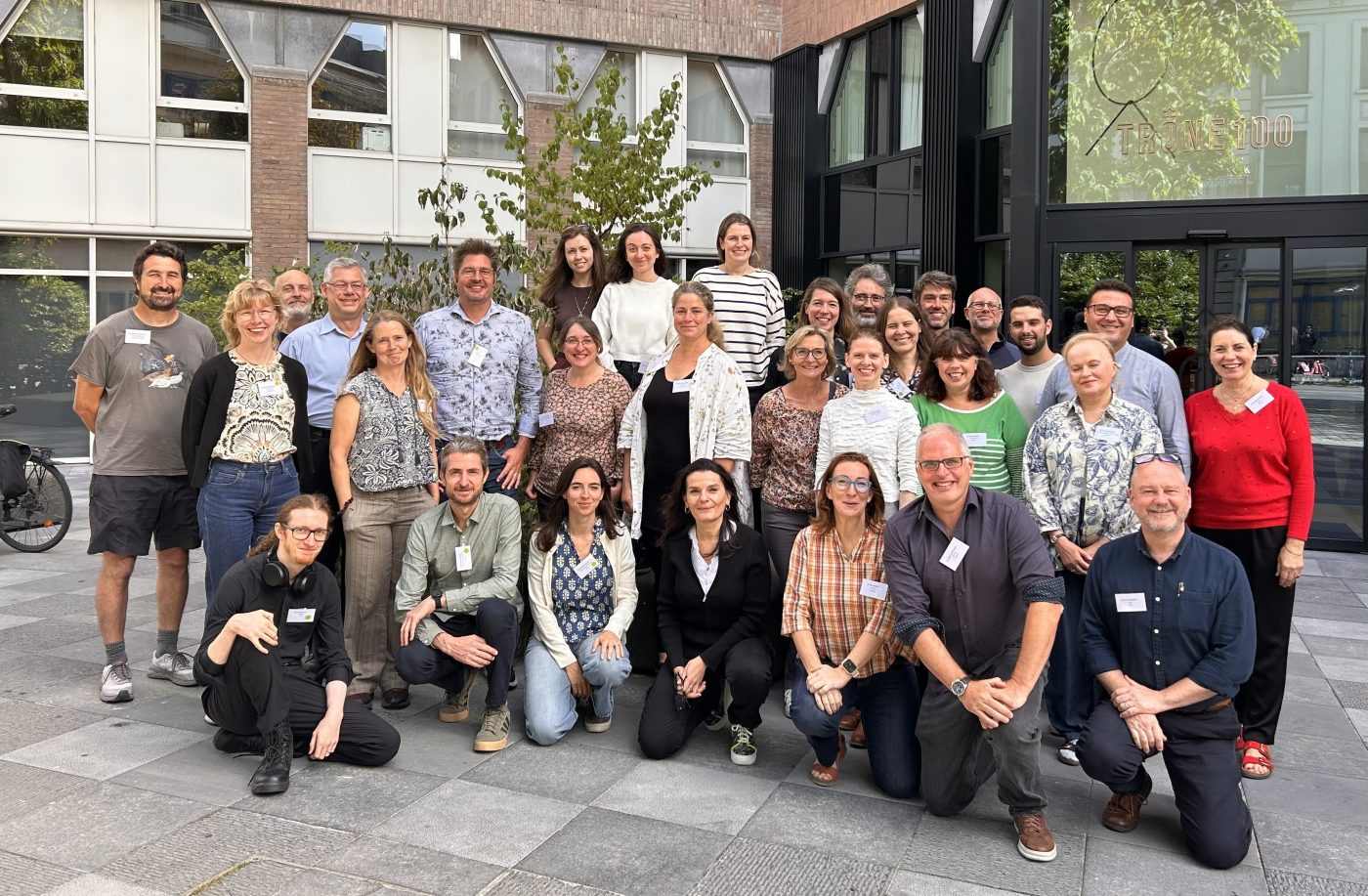
On 9–10 September 2025 in Brussels, more than three dozen stakeholders from across Europe met for a two-day workshop focused on a single goal: creating a sustainable future for both pollinators and agriculture. As part of the AGRI4POL project (🔗), the event brought together policymakers, NGOs, agribusiness and farmers’ organisations, and researchers. The collaborative setting fostered open discussion of pollinator-friendly farming practices and exploration of their co-benefits and trade-offs.
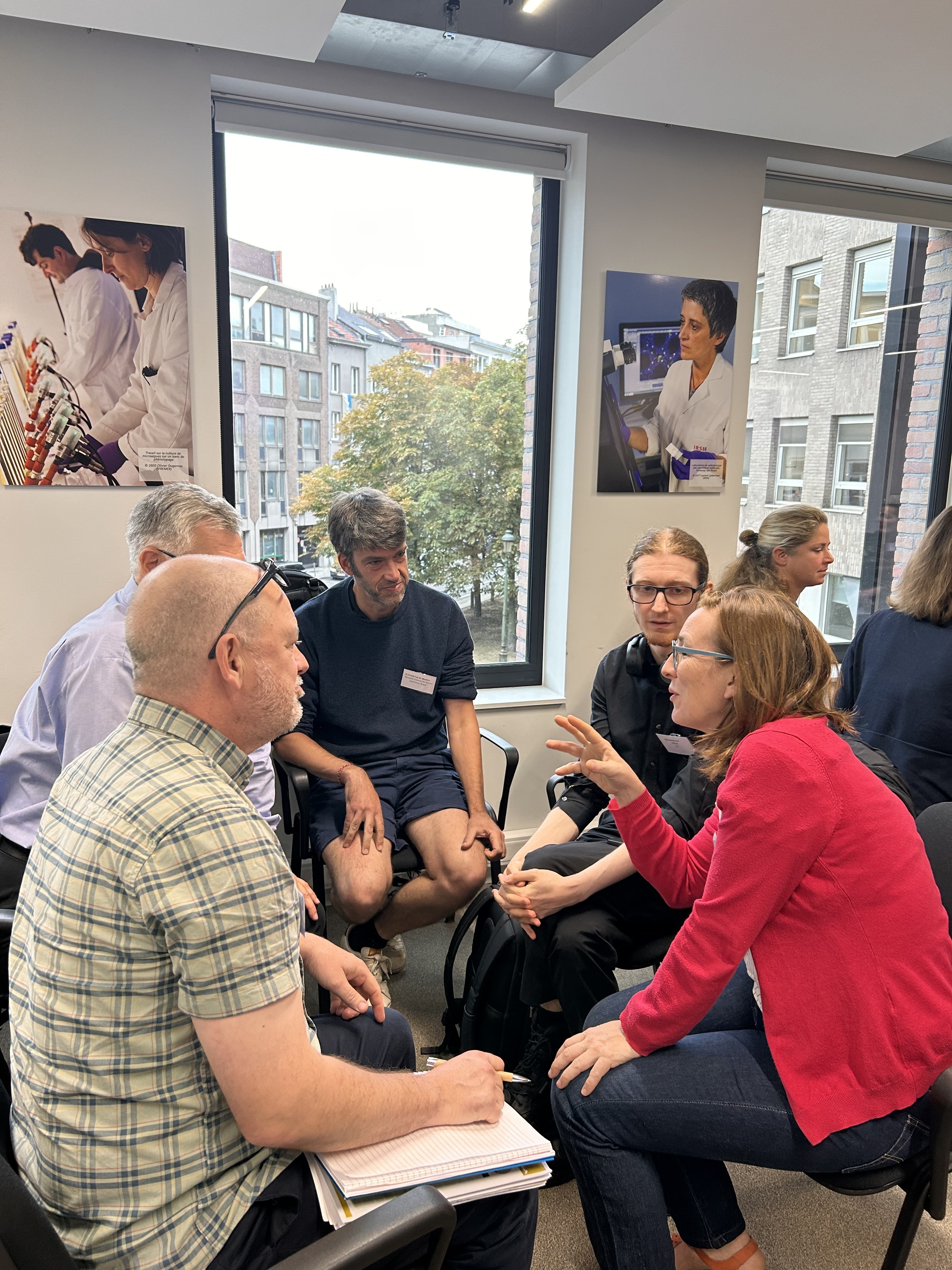
The two-day workshop mixed interactive sessions, with CzechGlobe leading the core session on the co-benefits and trade-offs of pollinator-friendly farming. During this session, participants worked together to refine a framework for understanding the positive and negative impacts of various pollinator-friendly farming practices. This framework serves as a tool to explore the percieved effects of these solutions across ecological, agronomic, economic, and social dimensions. The input from the stakeholders was invaluable, providing a more complete picture of the potential impacts of these measures.
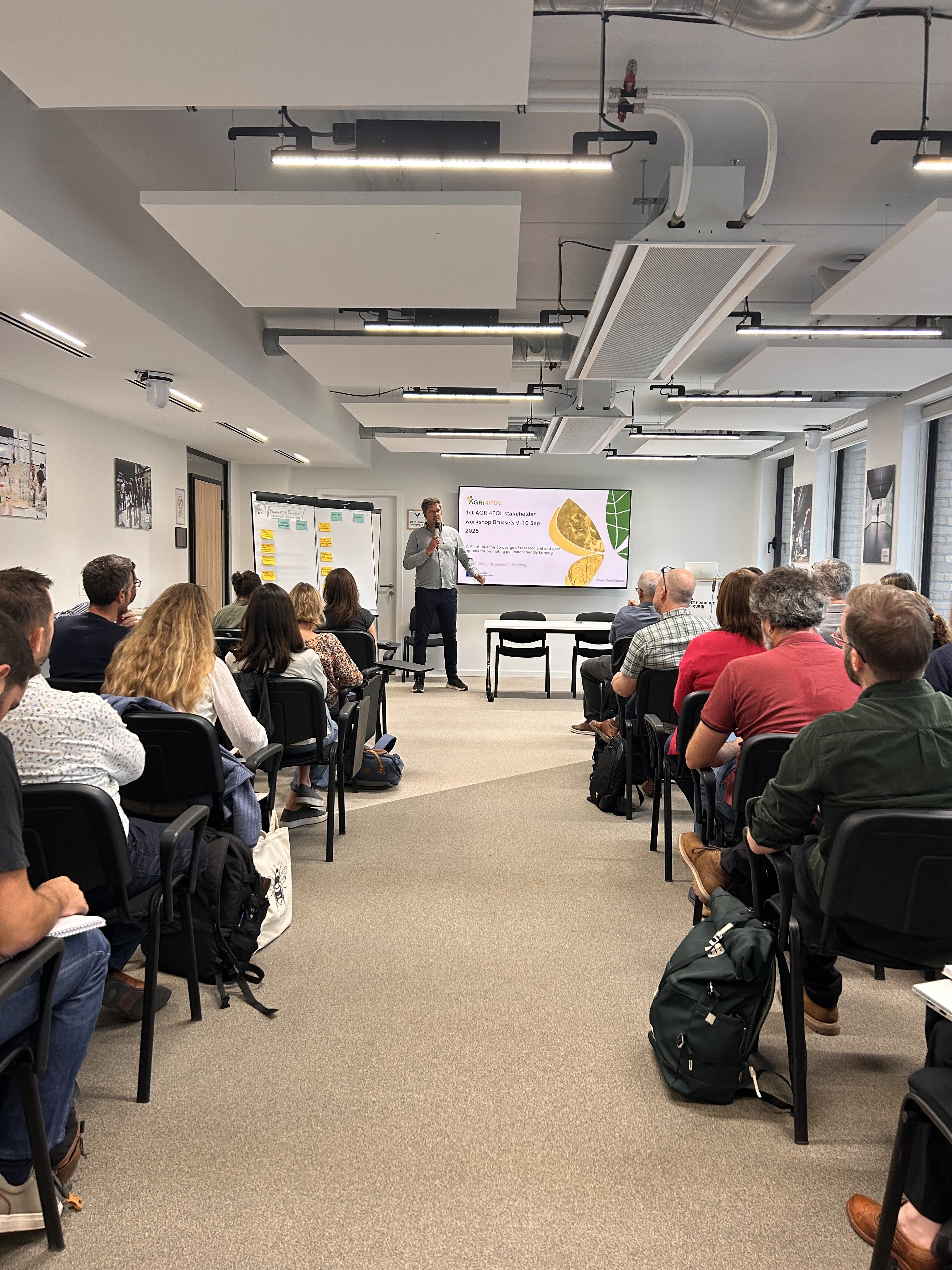
This workshop was a crucial step in the Agri4pol project, which aims to shift agriculture from being a source of pressure on pollinators to a force for their restoration and management. The insights gained in Brussels will directly inform the next steps of our work. Building on the improved framework, the project will now move into a series of local multi-actor focus groups. These will take place in five European countries, including Czechia, during the winter and spring of 2026. This will allow us to look deeper into how the co-benefits and trade-offs of pollinator-friendly farming are understood and experienced in different local contexts. By bringing together diverse perspectives, from the European level down to the local, we can work towards a future where agriculture and pollinators can not only coexist, but can also mutually benefit.

AGRI4POL receives funding from the European Union’s Horizon Europe research and innovation programmeunder grant agreement No 101181146 and The State Secretariat for Education, Research and Innovation (SERI). Views and opinions expressed are those of the author(s) only and do not necessarily reflect those of the European Union (EU), the European Research Executive Agency (REA), or the SERI.







 SustainableCZ