

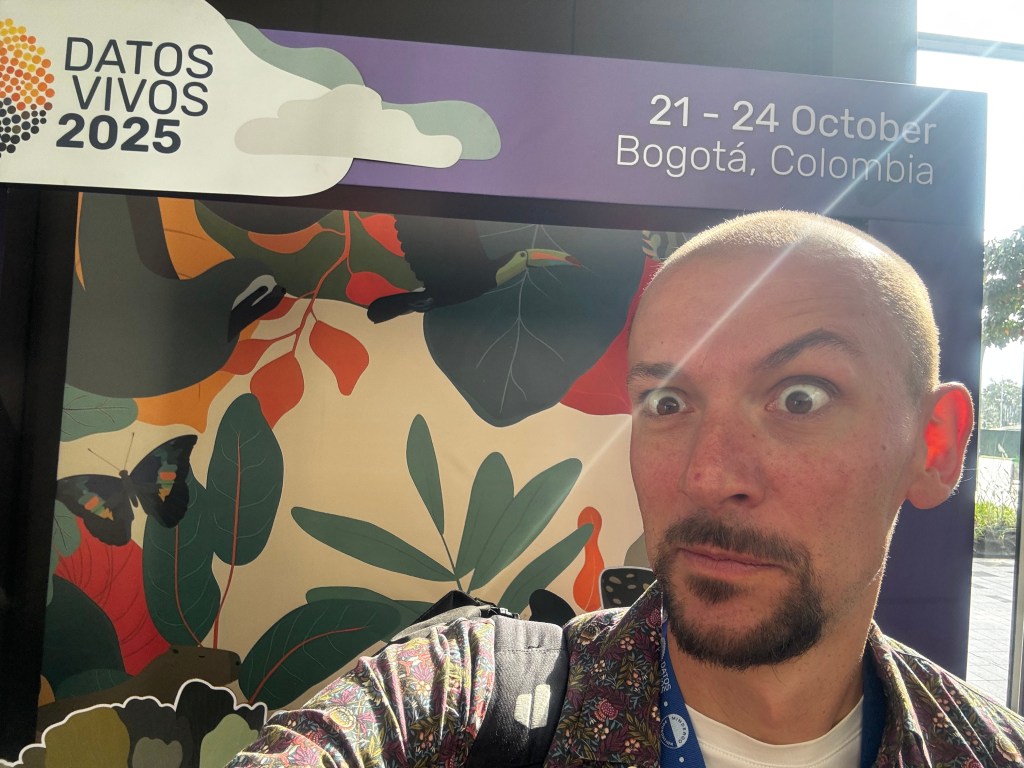
The Living Data 2025 conference took place this October in Bogotá, Colombia – a fitting location, as the country boasts the second highest biodiversity in the world. For the first time ever, over a thousand people working with biodiversity data gathered in one place: scientists, museum curators, software developers, infrastructure experts, and even private sector representatives. Their shared goal? To connect the many efforts around standardisation, data infrastructure, and effective use of biodiversity data – across platforms, disciplines, and continents.
The event was jointly organised by global leaders in biodiversity data – GBIF, TDWG, GEO BON, and OBIS, with local hosting by Instituto Humboldt. Even though it was the first joint edition of this conference, the organisation was top-notch: from the impressive venue (Grand Hyatt hotel) to the smooth coordination of sessions. The only slight drawback was the uneven quality of some thematic tracks – some session leads were volunteers with limited engagement – but overall, the conference delivered at a highly professional level.
From Data to Transformation?
The programme was rich, but a few core themes emerged. First, the need for better standardisation and interoperability of biodiversity data. Second, the challenge of integrating diverse data sources – from museum collections and remote sensing to citizen science. And third, how to track real progress in biodiversity conservation and restoration.
Among the most powerful presentations was that of Alice Hughes, who highlighted the extreme bias in global databases: roughly 75% of all biodiversity records are for birds, while many groups of organisms remain severely underrepresented. She also underlined a deeper issue: the mismatch between where protection is needed and where protection is actually happening.
Artificial Intelligence naturally featured prominently – from image classification to automated herbarium scanning and the integration of botanical keys into AI-powered tools. Citizen science was also discussed, though it became clear that integrating community-generated data into professional workflows still faces challenges around quality, motivation, and trust.
Quantity vs. Impact
Despite major advances in technology and data infrastructure, one fundamental question lingers: Are we really improving decision-making? Every day, more than 247 terabytes of biodiversity data are collected and processed. We have more graphs, more dashboards, more indicators. But are we using them to make better decisions?
As one speaker put it:
“We are facing difficult times, and we hope to solve it through high-level standardization. But… are our resources well invested? Do we share enough? Are we making an impact?”
Disappointingly few presentations tackled the social and political dimensions of biodiversity data – or their actual uptake in decision-making. There was little attention paid to how data support (or don’t support) real-world conservation. In many sessions, it felt like we were building databases for the sake of databases – with little reflection on whether they are understood, used, or needed by those on the ground.
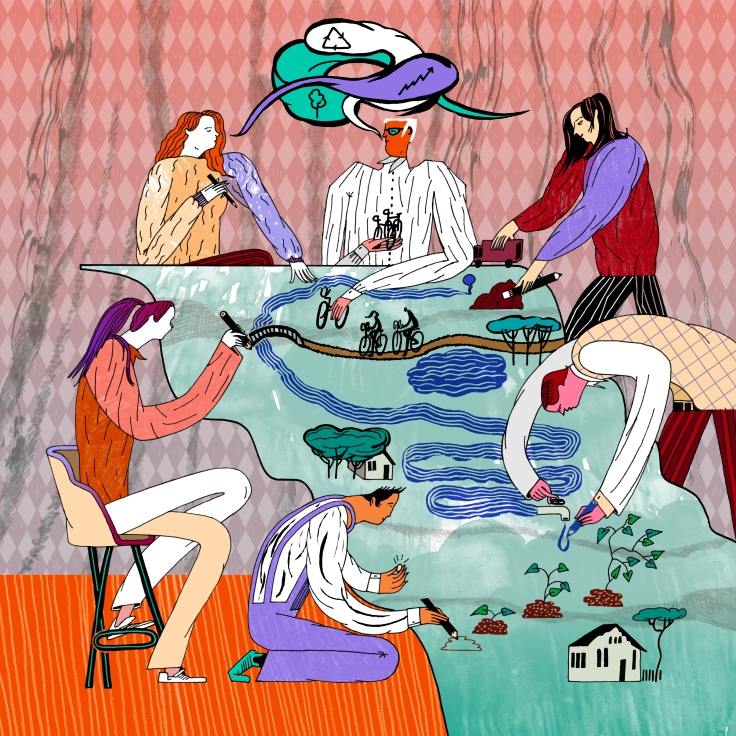
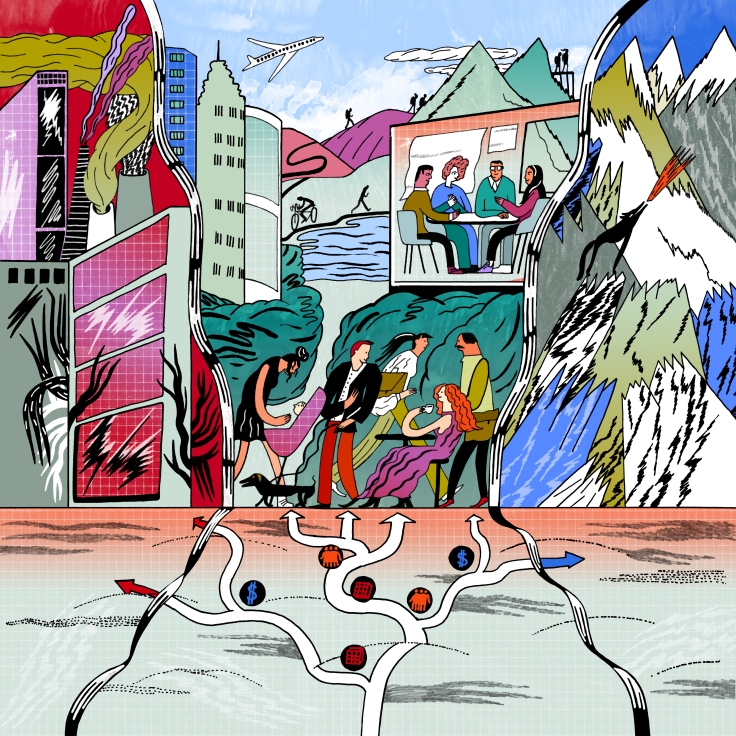
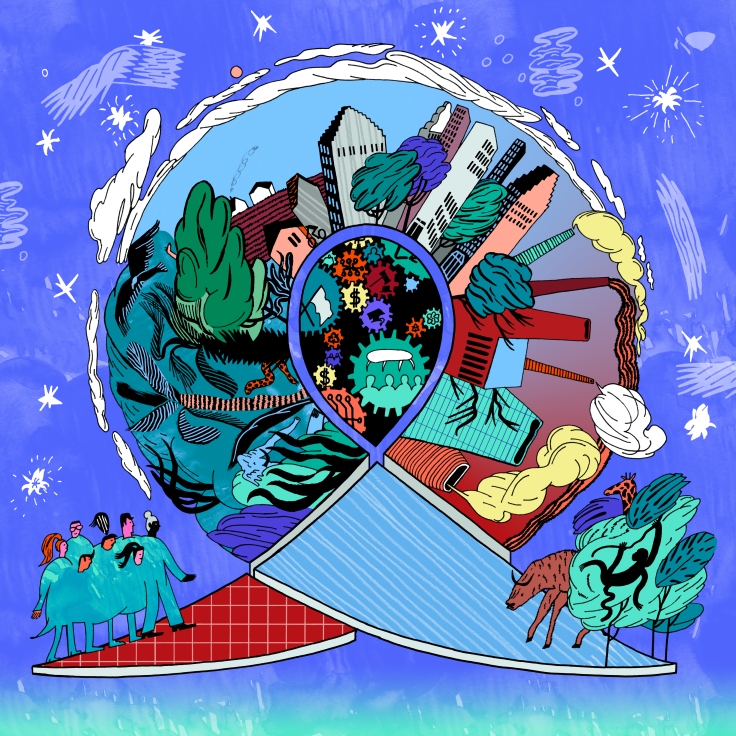
This is precisely where projects like ENABLElocal come in. ENABLElocal, which I presented at the conference, focuses on why biodiversity data are (or aren’t) used in local decision-making. It explores barriers – technical, institutional, and value-based – and promotes co-design with local stakeholders. Because transformation doesn’t start with more data. It starts with relevance, trust, and context.
So What Was the Point?
Despite the critiques above, Living Data 2025 was an inspiring and energising event. Bringing together over a thousand data experts from all over the world was a milestone in itself. The conference created space for new collaborations, idea exchange, and renewed motivation. And perhaps that is the most important takeaway: data is not just about what we know – it’s about who we share it with, and how.
The next edition of this community’s gathering will be held in Oslo during TDWG 2026, from 21–24 September. Until then, we have time not only to collect more terabytes, but to connect data to decisions – and to the places and people where biodiversity truly matters.







 SustainableCZ
Leave a comment