
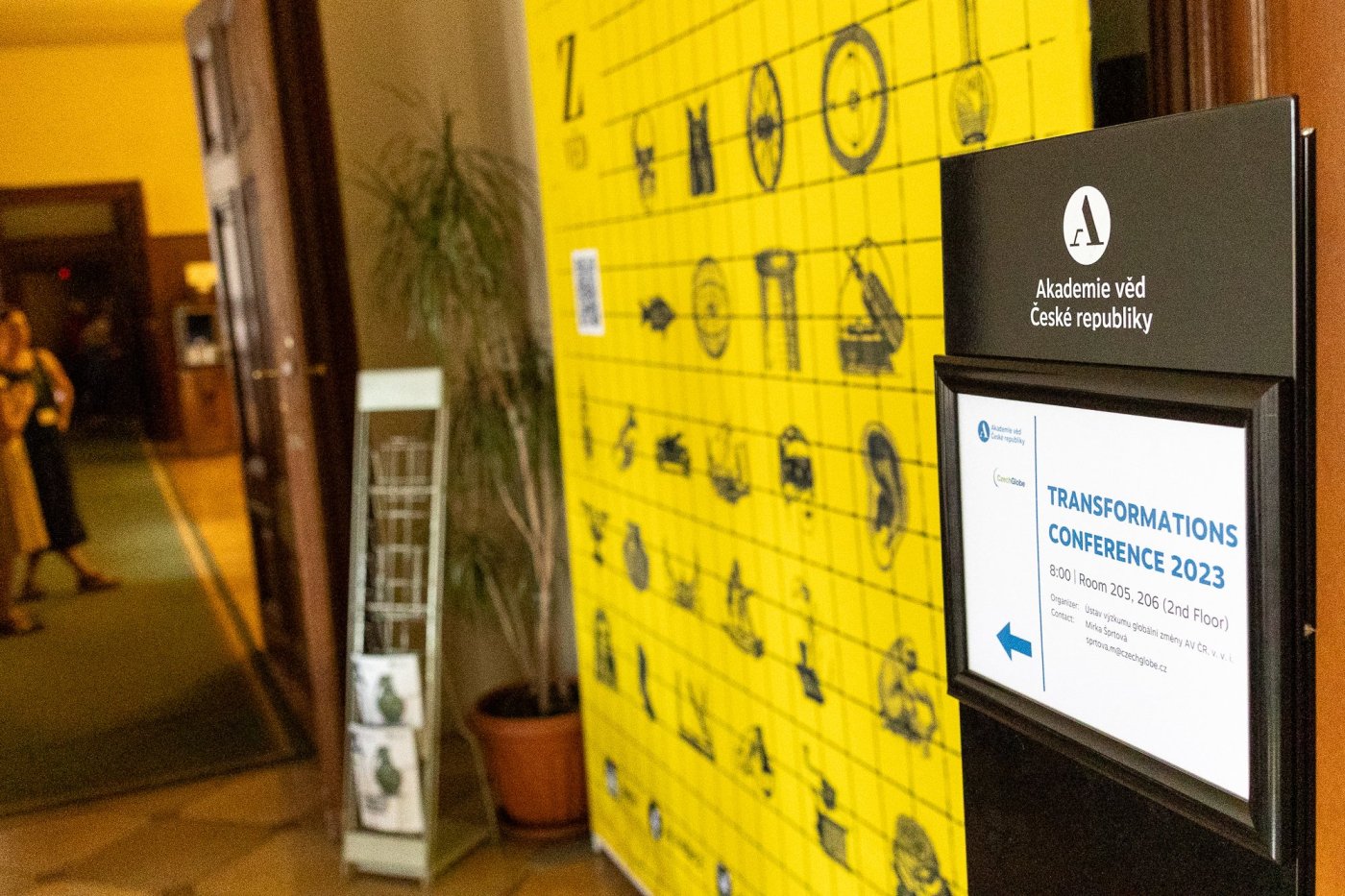
From 13 to 15 July this year, CzechGlobe hosted the European Hub of the Transformations 2023 conference. You can see more about the conference, and the Transformations Community here.
The European Hub was intended as a smaller, intensive in-person conference as a way to maximize inclusive participation while minimizing carbon emissions. The main conference was hosted in Sydney Australia, there was a workshop in Maine, USA, and there was also a rich online version of the conference. We tried to bridge between the formats as much as possible. And at some point in the near future we will try to share some more practical thoughts on that via this blog.
In total, we hosted 100 people, and delivered 3 headliner sessions, 8 workshops, 8 panel discussions, and 4 world café sessions, with plenty of time of discussion, collaboration and experience sharing. Talks and discussions covered practical examples, research findings, practice approaches and tools, and explorations of the different ways of thinking about transformative change.
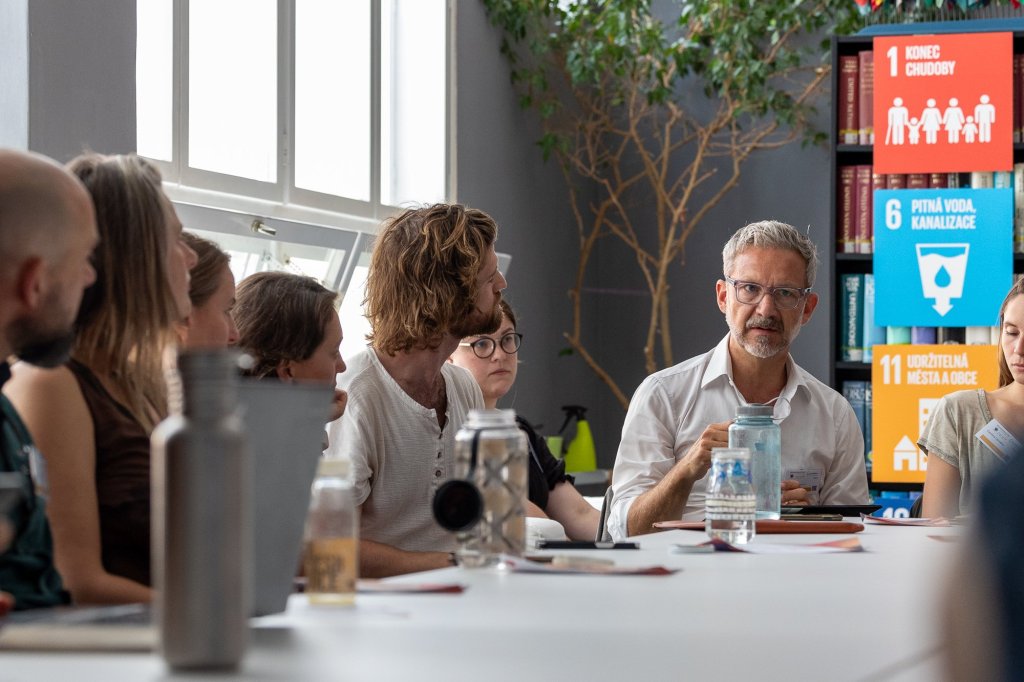
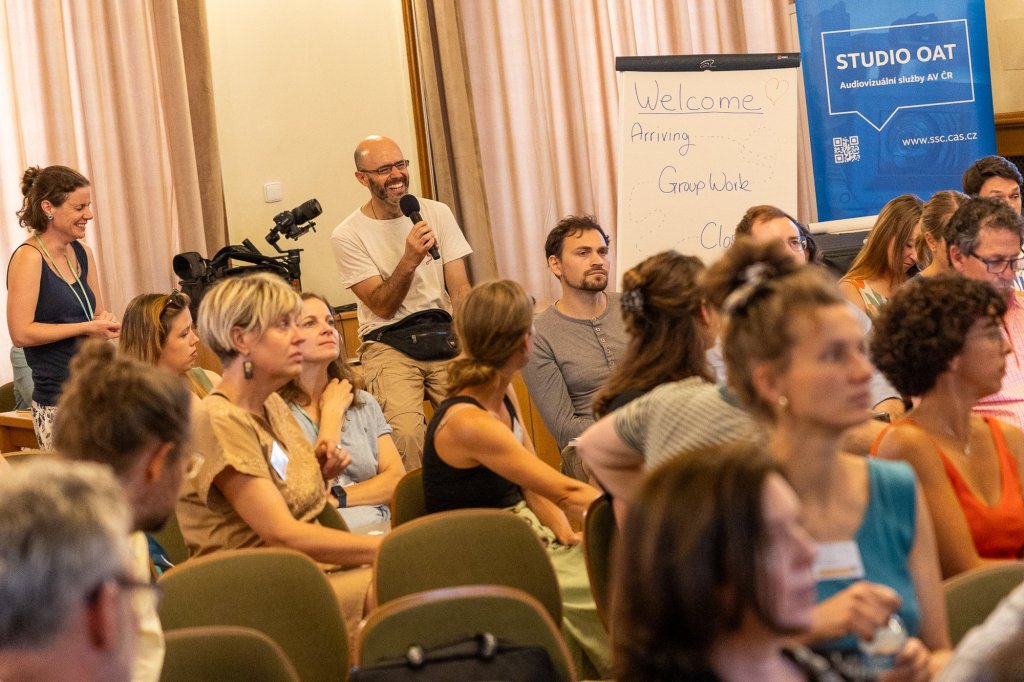
We are sharing here the reflections from one of the attendees and workshop conveners, Lauren Lambert:
As an empathy and sustainability scholar, and anthropologist by training, I am fascinated and intrigued by the dynamic ways humans relate to difference and “the other” (and how people and groups choose to define it). Transformation of course has its own obvious other – the status quo – but what other others does it have? And how do transformations practitioners and scholars treat these others in their constructing of transformative knowledge? How do we in the transformations community relate to and think about their others? I couldn’t help but wonder, as Dr. Louis Klein repeatedly asked us: “What’s love got to do with it?” And I wondered not love of what we already love, but of the love that reaches toward what we don’t.
Follow me back in time, to right before I arrived in Prague… After a creative rest after my PhD completion, my first reintroduction back into sustainability discourse was the Tuesday, online session of the conference, on transformative leadership. Many leadership paradigms valorize leadership beginning with an individual, but during this session conversation spiraled toward a questioning of those separations and ended with an invitation to imagine, instead, a collective leadership paradigm. Talking about new leadership paradigms continually centered adaptive responses to the polycrisis of the present day.
I left that first online session in tears… Having had a break from the protection of a daily encounter with polycrisis through my sustainability work, I felt the weight of my field pressed close in on my heart. Metabolizing earth grief through my work in sustainability has always been a part of my personal, academic and professional practice. So even after a couple months break, it felt like my system had to reboot into remembering why I have chosen the field I have chosen. Grief, infrequently mentioned in my sphere of practice, has become increasingly important to my own understanding of vulnerability, leadership and collective change. Sometimes grief is framed as the other side of love: not loves’ “other”, per say, but just a different texture of the same love. As I felt my grief, familiar questions circled: Do we truly think with our efforts, as a community, we can right this ship? Is a focus on how to transform what is already happening the most potent path forward? How do I find the courage to stand in authentic relationship with the changes and losses that are already deeply under way? How, as Rebecca Solint ponders, do we find “hope in the dark”? As I sat on the train, en route to the Prague Conference Hub, I couldn’t help continuing to wonder whether I’d find any answers to these questions.
For starters, I wanted to know, like many in this space, what do we mean when we say transformation.
Unsurprisingly, we mean many different things; it means we also ask epistemologically diverse — and at times, opposing — questions. Some mean a shifting of the status quo and view transformation through the lens of systemic change (nothing else will do). Some see it as process, not outcome (if we don’t change the process, we can’t change the outcome). Some locate the impetus of transformation in the inner world of the individual (outer change happens through inner transformations). Another thematic exploration of what transformations mean entail shifts from Ego Awareness to Eco Awareness. Many more variations and mixes of the above informed what people mean by transformation. The word transformations is plurality en vivo. Throughout this multiplicity, I was thinking about how each of the many ways of viewing transformations and defining them is a micro practice of reinforcing or changing the process of “othering” in society and how loosening these edges between “us” and “them” was itself a practice of transformation, if not a definition of it.
l felt in the first few days a collective sense of identity ambiguity as attendees we kept being faced with these boundary laden and profound questions. We were all still trying to figure out what we were talking about. One of the conference theme focuses of inner transformation lightened the load of “othering” throughout the sessions and provided opportunities for conversations about more self and collectively reflexive practice, but sometimes I felt as though we were swirling.
On day three, some of the tension that was accumulating in me about the necessary othering that occurs when we expect transformation to look one way vs. another was eased. During an opening keynote, Dr. Fern Wickson asked the room for help: how do I deal with grief and eco anxiety in my higher education classroom? With this question and the types of conversations I saw it open up, the tenor and tone of the space opened up even more. As a social scientist, I see social reproduction when the same people are talking to the same people about the same things, and social change as when people start talking to different people or the same people about different things. As part of my empathy design work and research, sometimes I ask people to pretend to be something else as an entry point into new conversations. During my Ecological Empathy workshop, someone, doing a theatrical experiment pretended to be corn, while someone else in their group pretended to be a locust, enacting out an agrarian sustainability problem context. The person enacting the corn expressed that they were finally able to see the perspective of a farmer who might not want their corn to be eaten in a new and profound way. The farmer using pesticides in that moment went from being an incomprehensible “other”, to being a person that could be understood, related to, and therefore engaged. This experience echoed the overall tenor of the day. By day three, I felt we were no longer talking about what transformation is or is not – we were having transformative conversations. It was experimental, it was creative, and it felt like a community of new conversation and practice.
Mamphela Ramphele said: “Transformation organizations are not perfect organizations, but are orgs that are willing to wrestle… in a world that is committing suicide”. I can’t say my questions were all answered in this conference, and indeed, many, of course, just became deeper questions. Rather than finding answers, I enjoyed the company of building questions and support to keep asking these questions, across all the environments where we work, interesting & ultimately, inspiring. Building on the words of Mamphela Ramphele: People are not perfect, but when we are “willing to wrestle in a world that is committing suicide”, is, and continues to be, truly transformative. My hope is that we, in the transformations community, continue to find ways to stay connected to our discomforts, while painting over what was black and white with infinite hues of color.







 SustainableCZ