
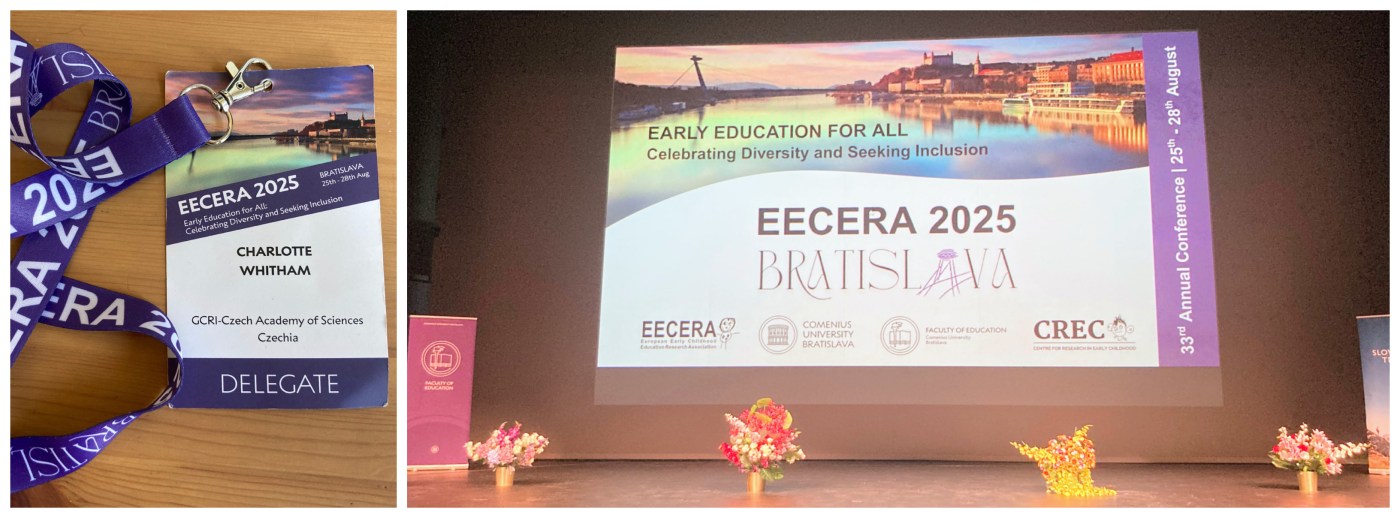
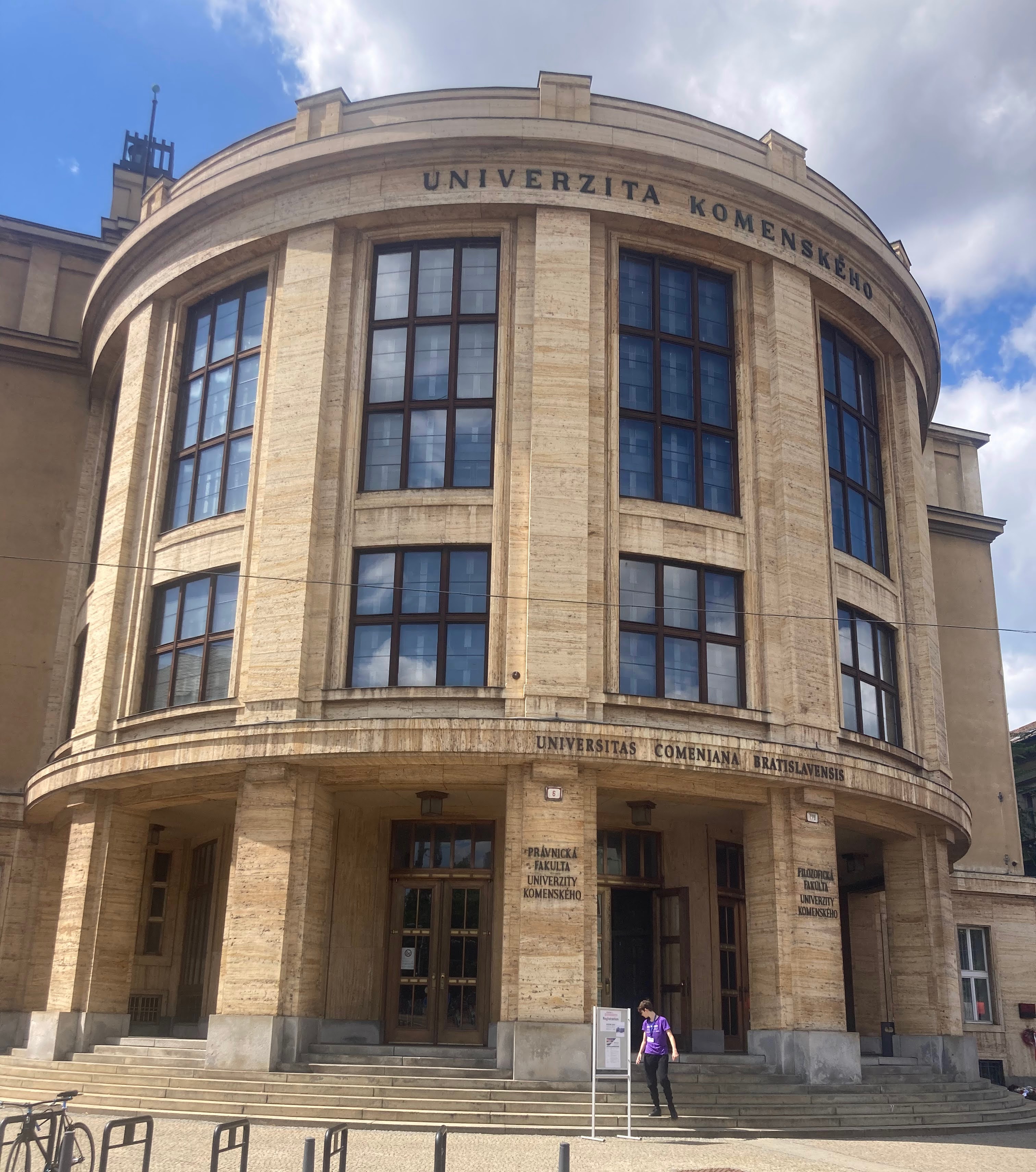
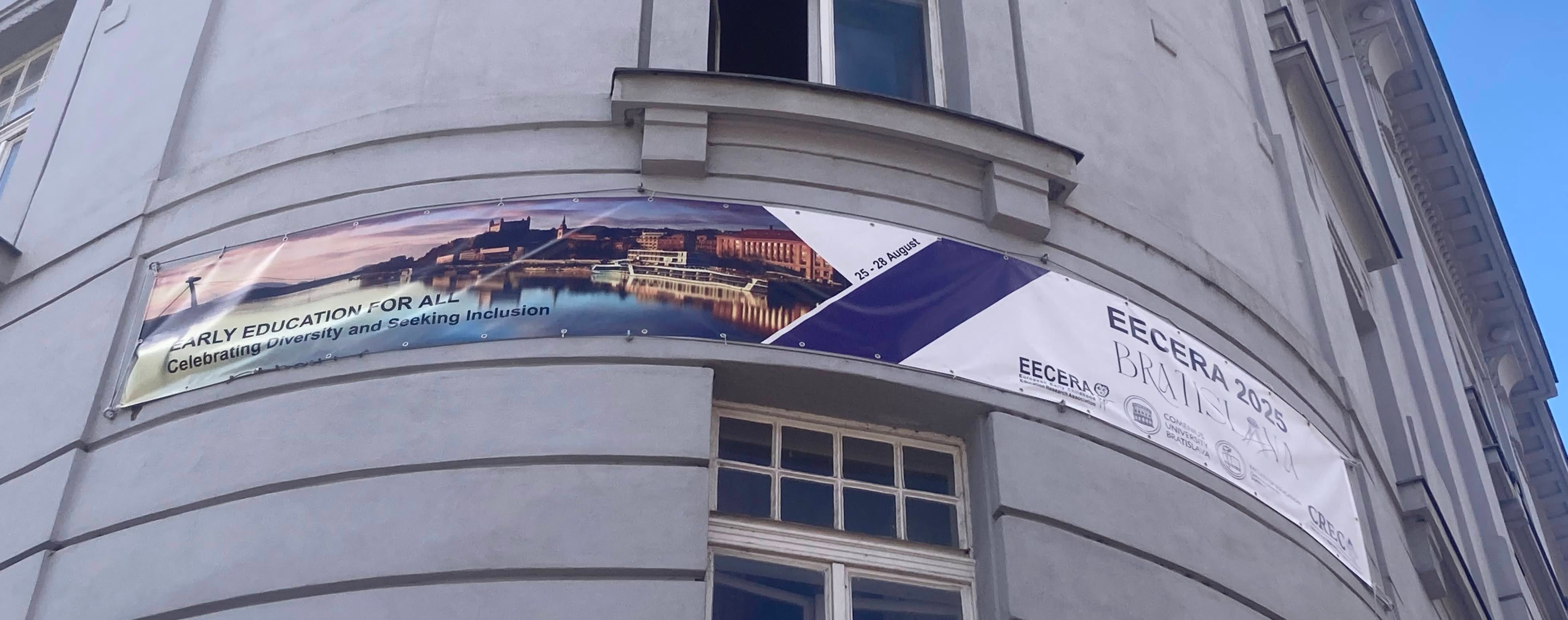
I recently had the opportunity to travel to Univerzita Komenského (Comenius University) in Bratislava, Slovakia to take part in the 33rd conference for the European Early Childhood Education and Research Association (EECERA).
For some followers of this blog, this might seem like a slight deviation from the issues and fields we normally explore in our Human Dimensions Department. However, for the past 15 months, I have been working under a postdoctoral fellowship from the Czech Academy of Sciences, where I am looking at the development of human-nature connection in early childhood, and the importance of such a relationship with nature for sustainability. So, attending this conference was top on my agenda: to get to know the community and key priorities from practitioner, policy and research perspectives… and I can certainly say that the conference well exceeded my expectations: I’ve learnt an incredible amount; been inspired and motivated; and I’ve connected with other researchers and practitioners from all over the world!
However, it is the theme of this conference which I wish to discuss in this blogpost:
“Early Education for All: Celebrating Diversity and Seeking Inclusion”
More specifically, I wish to share some reflections I’ve had about inclusion as a result of this conference and the variety of perspectives and disciplines presented; what it actually means in the context of my research; and also what it might mean to me personally.
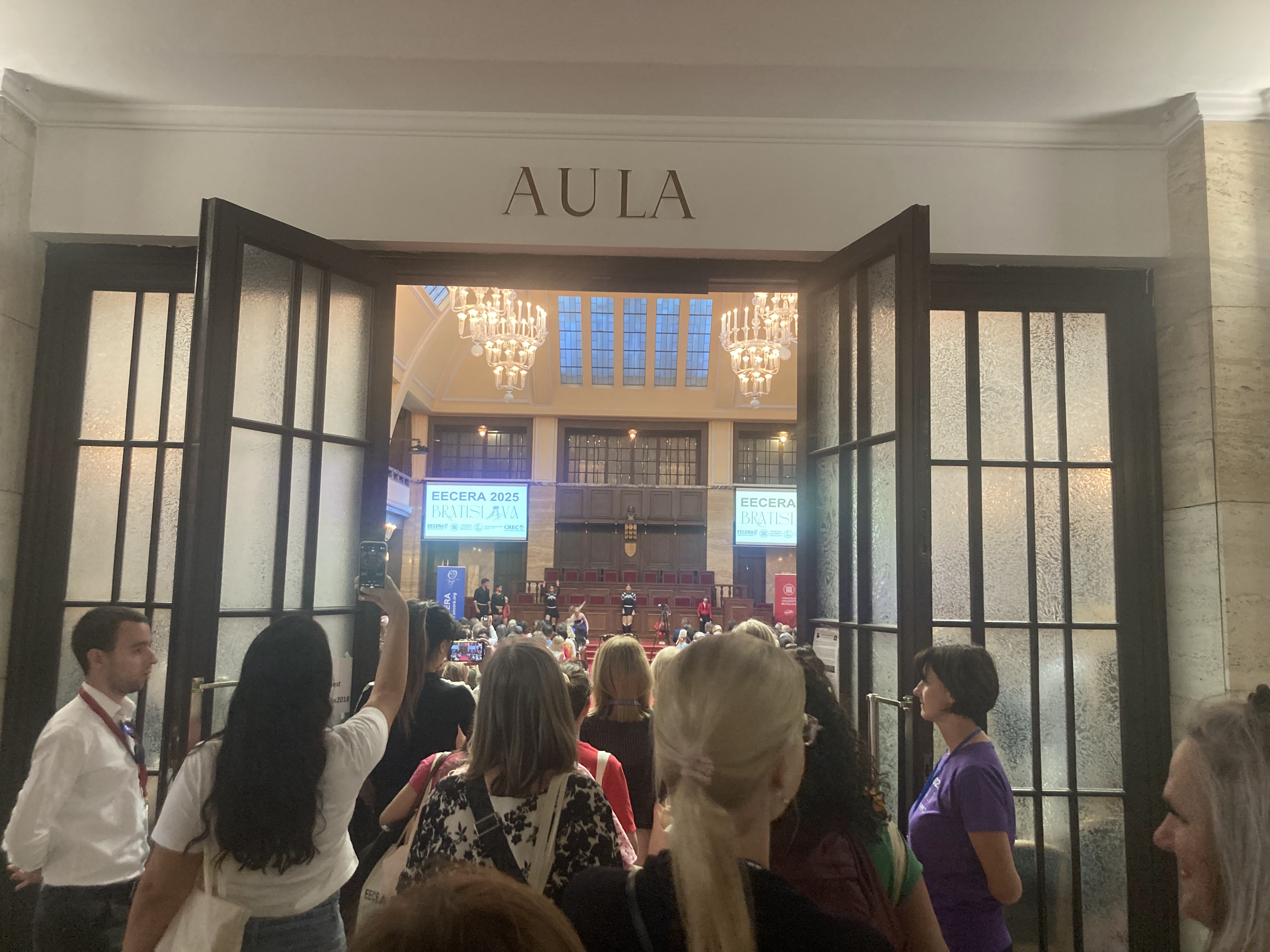

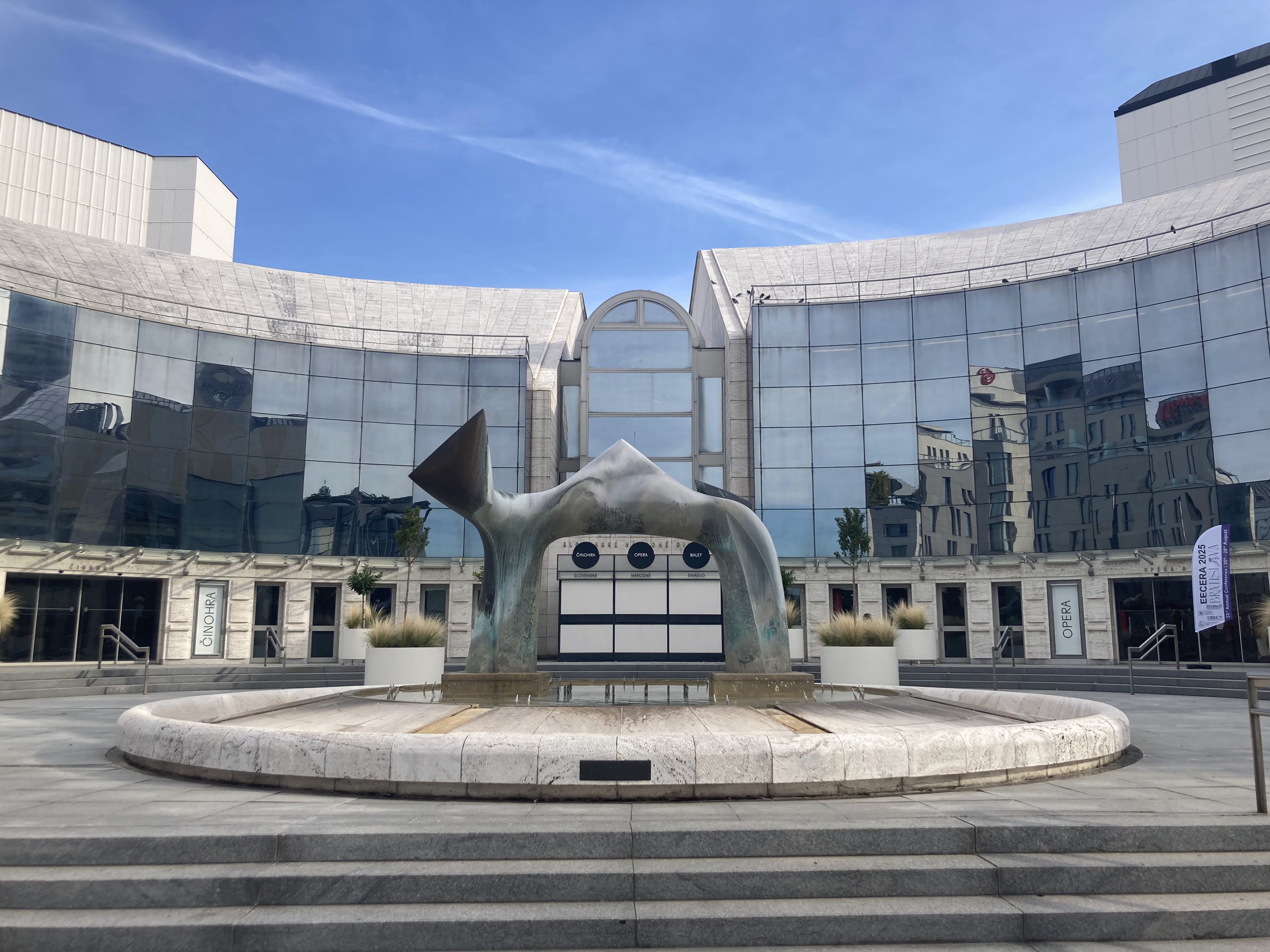



So how did we address inclusion at the EECERA conference?
Inclusion of diverse perspectives
Whether as part of the keynotes, symposium presentations, posters or side meetings, being part of the theme of this year’s conference meant that inclusion came up a lot – no surprises there. However, I didn’t expect that we would touch on such a diversity of perspectives, nor be able to reveal so many different layers of inclusion and what it actually means and how it can be addressed. Whether we were considering inclusive education, inclusive practice, inclusive pedagogy, inclusive research and inclusive policy, or even just an inclusive experience here at the conference itself.
Together, we explored some of the more obvious but still not insignificant forms of inclusive education, which still to this day, in many societies, have been challenging to address: in the classroom, in teacher training institutions and in the ministries of education. This includes the various ways by which some children may be excluded or given limited access to education, or at least aspects of an education system (much like some of the definitions of epistemic injustice I explored in an earlier blogpost). This form of exclusion might happen when a system, community, school or pedagogy essentially prejudices somehow against different forms of diversity: physical or mental health disabilities, neurodiversity, language or culture.
Professor Lani Florian from the University of Edinburgh, in her keynote, encouraged us to think beyond this idea of inclusion and to reconsider our ideas of human diversity overall. She would argue for example, that even though the readers of this blogpost are still reading the same words as each other, no two readers are having the same reading/learning experience, simply because of our differences – the same happens in a classroom of children or teacher trainees.
We discussed the importance of the inclusion of emotions, feelings, actions and behaviours in our research for early childhood care and education – how this can be done and why it is important. Many presenters also highlighted the importance of the inclusion of children and their perspectives in research itself, as well as in the planning and functioning of their kindergarten or pre-school. This touched on issues related to social sustainability: Presenters from the London Institute of Early Years for example, talked about how they sit down with children in their nurseries for planning meetings to discuss how they’re going to tackle a particular project. This speaks to the creation of democratic spaces and making these forms of social interaction the norm for young children.
Particularly in terms of sustainability, we discussed the inclusion of children as stakeholders and agents in climate adaptation or social, economic and ecological sustainability programmes, as well as in research projects on these topics. Several presenters spoke of the process of participation with children, serving to implement children’s rights. Again, these experiences starting from the very beginning of a child’s life, will only reinforce for them, that this is the way that societies function, thus paving the way for a more just and sustainable (and inclusive!) future society.
Similarly, we also talked about the importance of the inclusion of parents, families and communities, within early childhood education practice and research. Their roles within a child’s life have monumental influence, as well as the fact that their inclusion also suggests how early childhood education can provide reference to what constitutes a socially sustainable community.
How does inclusion relate to my work on human-nature connection?
At this conference, I was presenting some ongoing work as part of a literature review that seeks to highlight the research gaps in our understanding about how human-nature connection develops in early childhood (see here for a related guest post on the EECERA blog, which was a little teaser for my presentation at last week’s conference); And I was also keen to relate the purpose of this work to the theme of the conference, i.e. what constitutes inclusive early childhood education in the respect of opportunities for children to connect with nature?
I talked about my personal, ultimate goal of contributing towards the creation of an equal access for all children, to what they need in order to have human-nature connection and its associated, sometimes fundamental values. I strongly believe that connecting to and protecting our planet can be a goal for all, no matter a child’s gender, age, religion or cultural background. I stressed that we need to be asking: “What does it take, particularly in the increasingly urbanised and digitised world in which we live, to create truly inclusive early education systems which give each child access to what they need to develop human-nature connection?”
Inclusion at this EECERA conference
I felt that EECERA did a fantastic job of making sure that nobody would be excluded from this conference. We were reminded several times that English was not the everyday language spoken by many delegates, that not all delegates came from a research background, and of those who did, some may have come from other disciplines outside of our own. A kind, compassionate and welcoming atmosphere was what ensued. Personally, I really appreciated the fact that at this conference, my voice as a sustainability/conservation scientist was not lost amongst the child psychologists, pedagogists, linguists, child development specialists, and all the other many disciplines that work together to help improve the care and education we provide to our youngest children: We all had space to share our voices…even those as parents, as well as delegates.
I look forward to taking this emerging understanding of inclusion with me further into my research and practice… And I would encourage others to also give thought to what inclusion means to them and in the context of their work: as a moral right, as a more nuanced understanding of reality or as an essential ingredient of a just and sustainable society, or something else entirely!?







 SustainableCZ
Leave a comment