
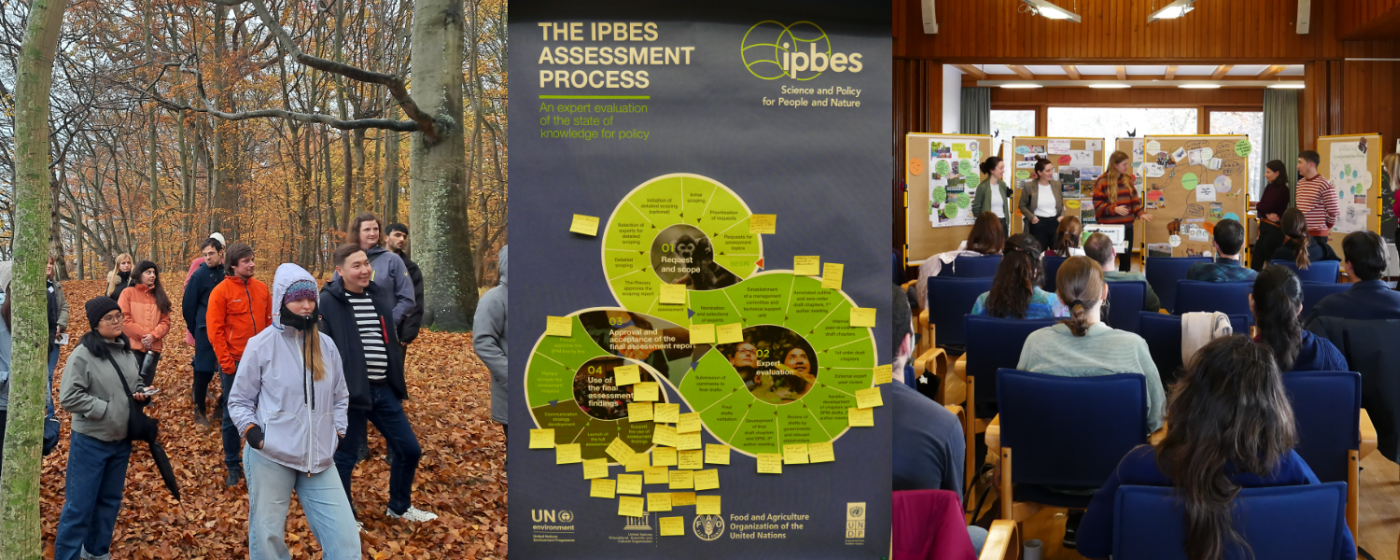
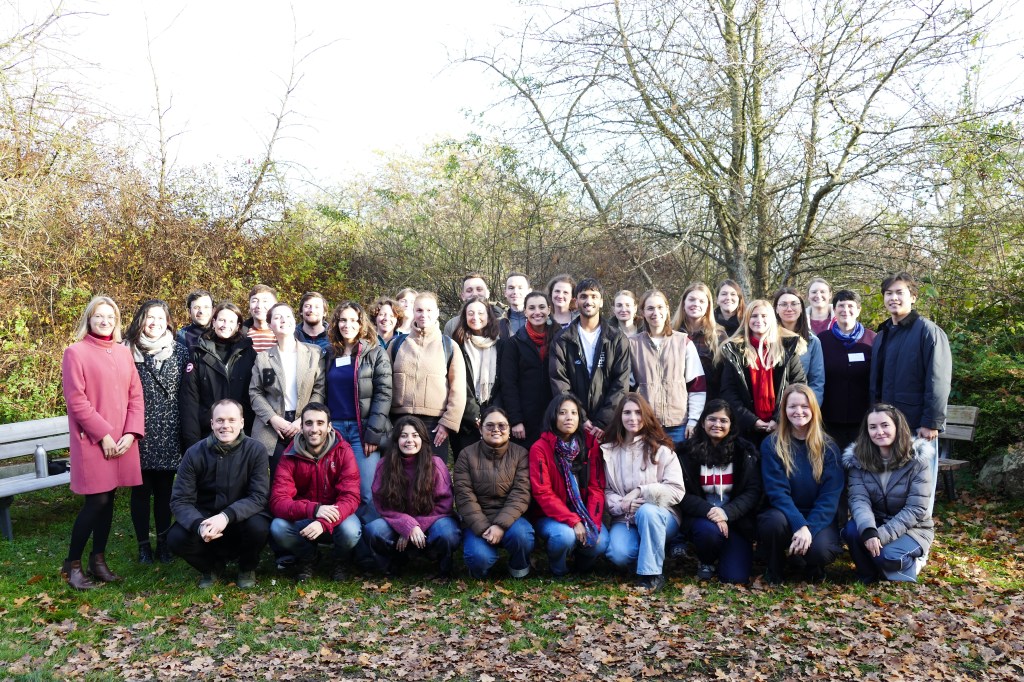
From 10 to 14 November 2025, I took part in the Regional Youth Workshop on IPBES for Europe and Central Asia at the International Academy for Nature Conservation on the Isle of Vilm, Germany. Hosted by the German Federal Agency for Nature Conservation (BfN), the workshop brought together early-career participants working on biodiversity, ecosystem services and nature conservation from over 20 different countries across Europe and Asia.
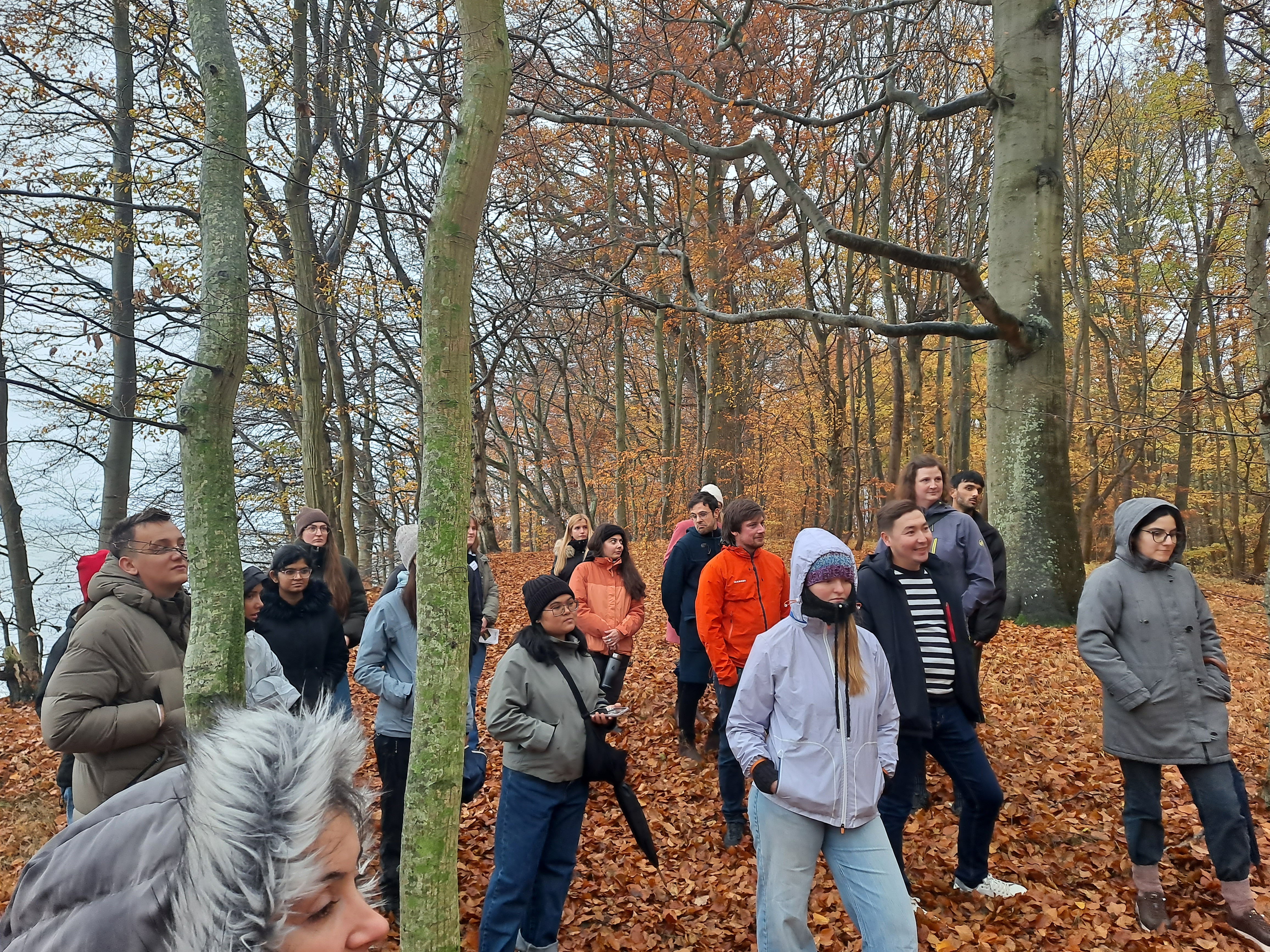
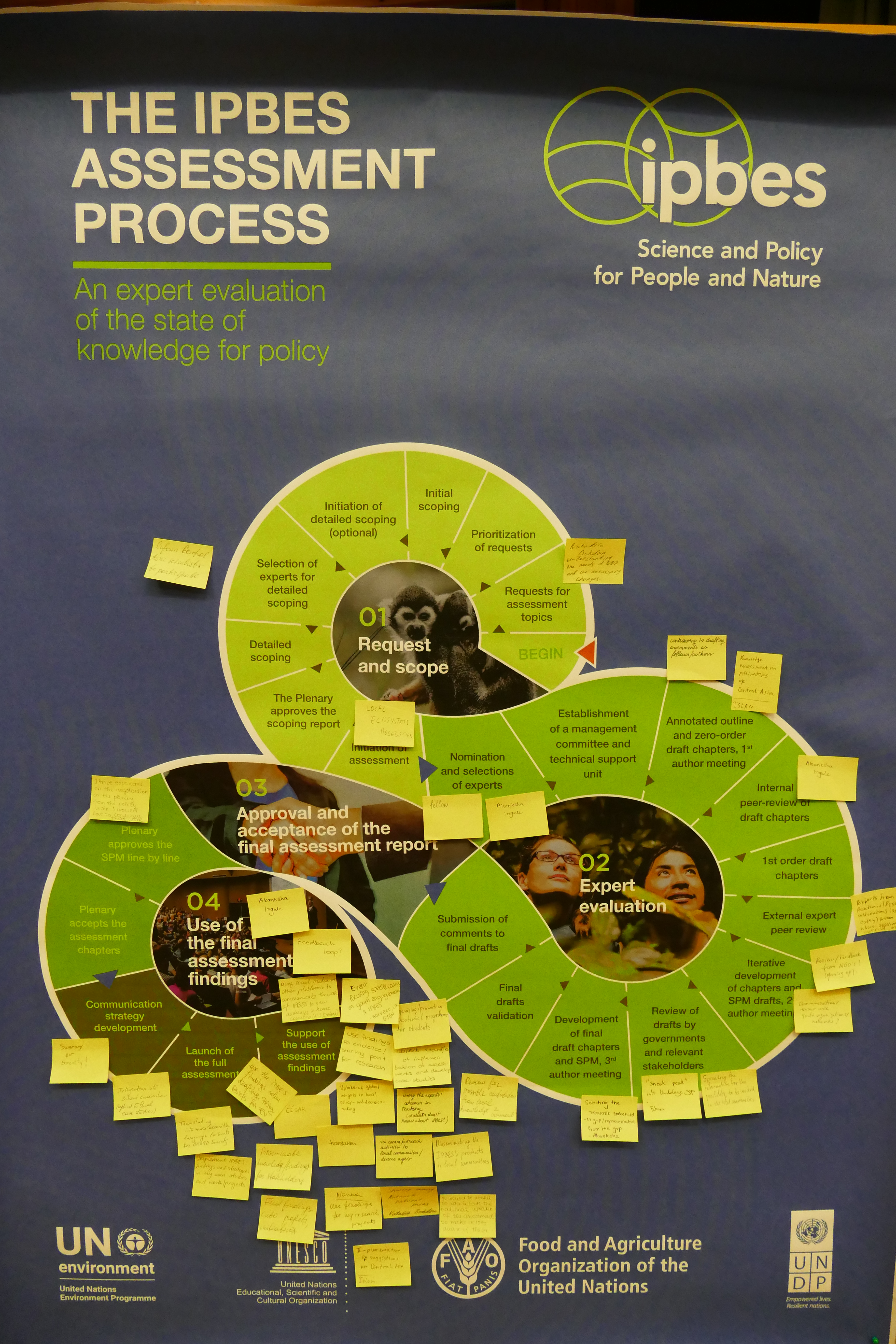
The overall aim of this workshop was to strengthen youth engagement with the Intergovernmental Science-Policy Platform on Biodiversity and Ecosystem Services (IPBES) and to deepen our understanding and use of its assessments. IPBES plays a key role in connecting science and policy on biodiversity and ecosystem services, with the ambition of supporting conservation, sustainable use, long-term human well-being and sustainable development. Engaging young people in this work is crucial if IPBES assessments are to be taken up by new generations of practitioners, organisations and networks, and if they are to reflect a broader diversity of perspectives.
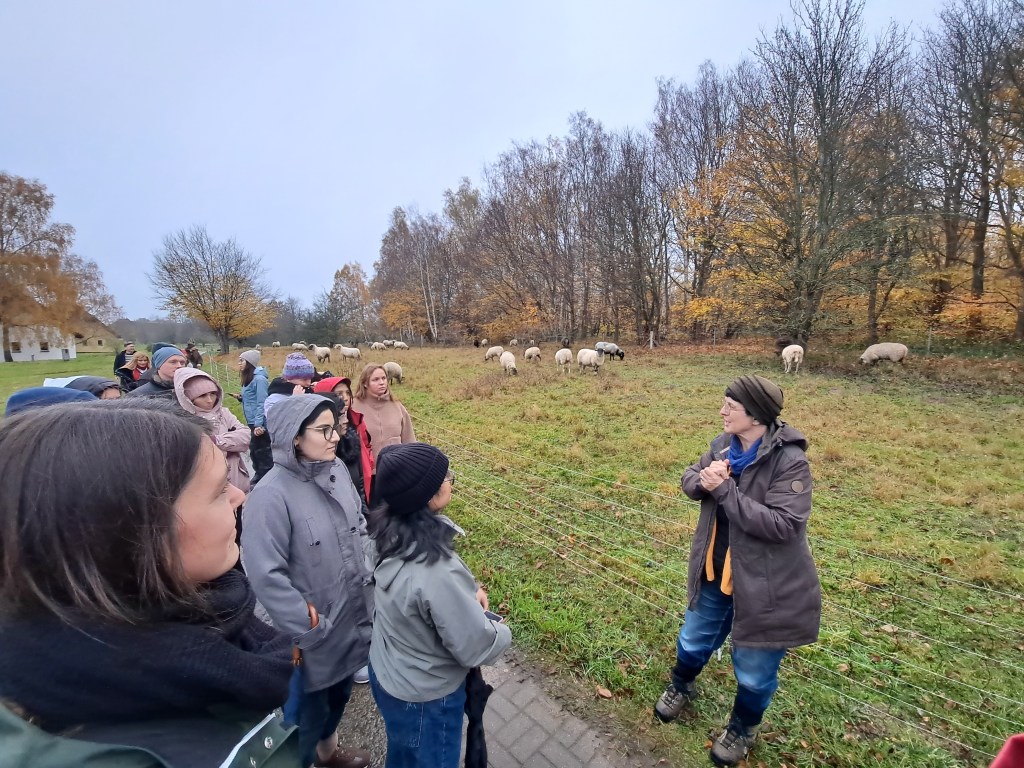
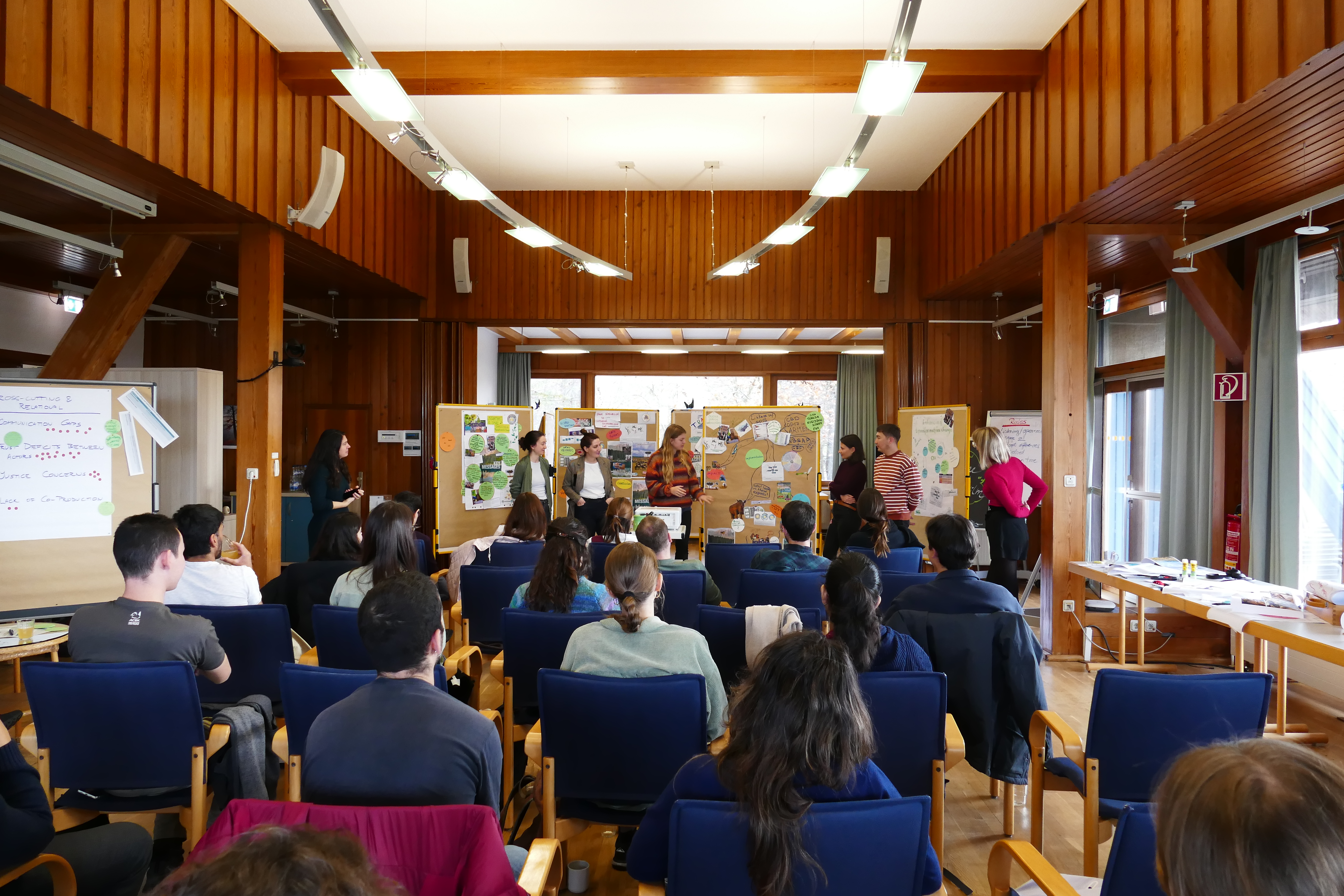
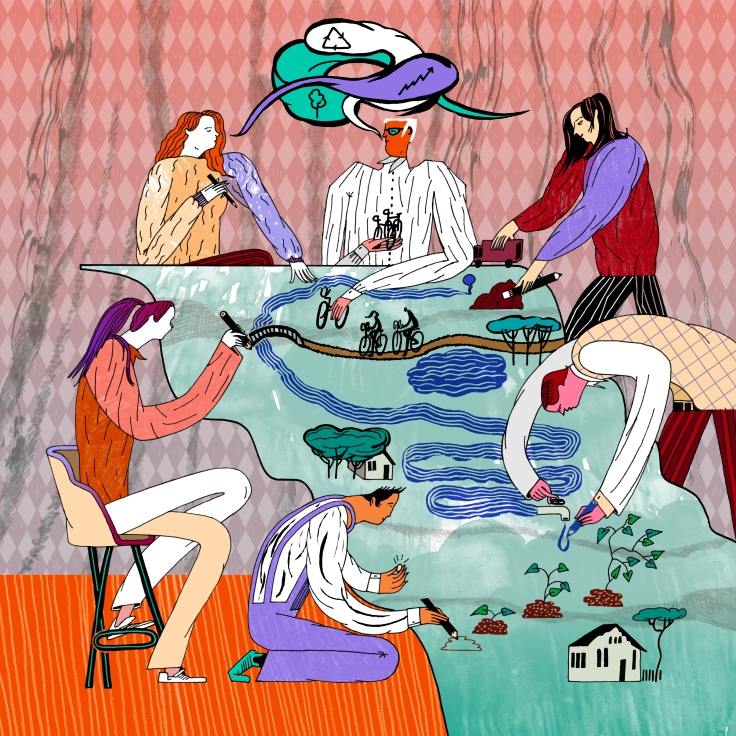
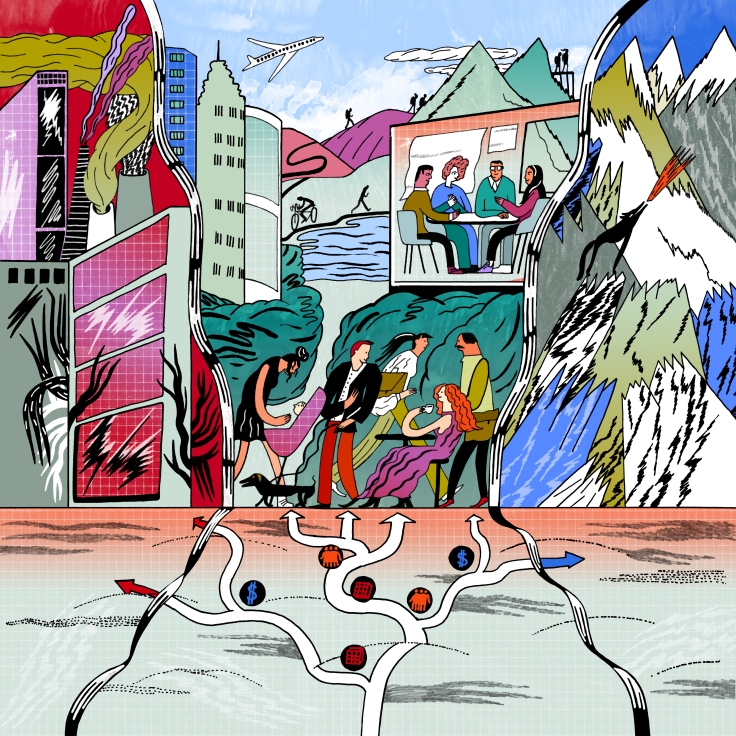
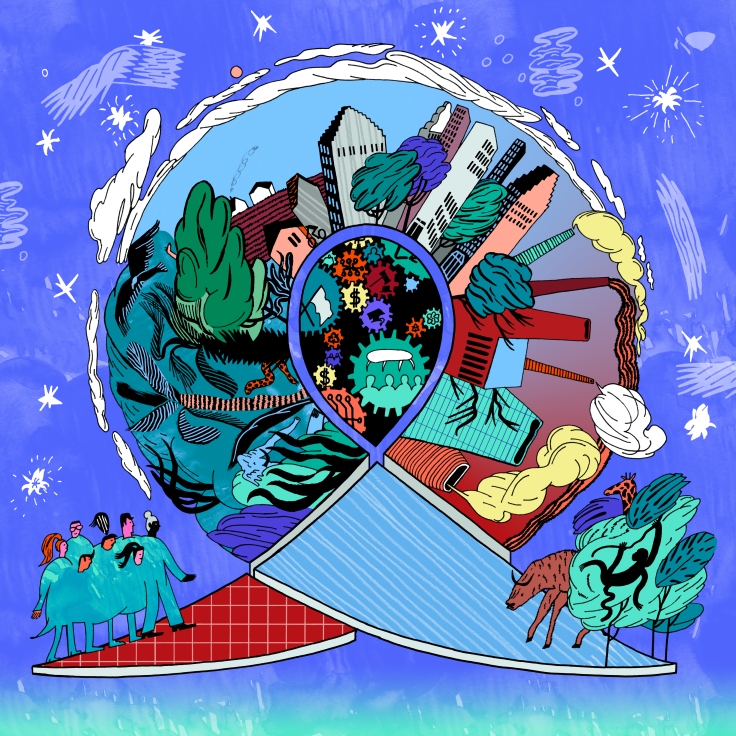
A large part of the week focused on two recent IPBES assessments: the Nexus Assessment and the Transformative Change Assessment. Through a mix of presentations, group work and interactive exercises, we explored what these assessments say about the links between biodiversity, climate, food, water and health, and what kinds of far-reaching changes are needed to address the drivers of biodiversity loss. Throughout the week, the participants had the opportunity to share their own experiences and projects that they are working on right now. I presented some of our work in the Agri4Pol project on promoting sustainable agriculture for pollinators, which looks at the social, ecological, agronomic and economic co-benefits and trade-offs of farming measures that support pollinators. The goal of the project aligns with a key message from the IPBES Transformative Change Assessment, which highlights sustainable farming transitions as a pathway to support biodiversity, protect habitats, and provide good quality of life on Earth.
I left Vilm with a much clearer picture of where the opportunities for youth participation within IPBES processes lie. Just as importantly, I met many engaged and committed people from across Europe and Central Asia who are doing very important work in different geographical and political contexts. Huge thanks to all the organisers: to BfN and to the members of the IPBES fellowship programme and the task force on scenarios and models for their thoughtful preparation and facilitation throughout the week.







 SustainableCZ
Leave a comment