

In the Horizon Europe-funded project BIONEXT, European changemakers are exploring new visions for nature-centered Europe for 2050. In the first out of three BIONEXT workshops, in May 2023 in Greece, changemakers from different backgrounds created visions of what a nature-centred Europe can look like in the year 2050.
Who are the changemakers participating in BIONEXT workshops?
The changemakers, or simply stakeholders, were carefully picked to represent the wide backgrounds and the expertise covering the biodiversity nexus: water, food, climate, energy, transport, health, and biodiversity. The stakeholders also represent different kinds of organisations such as policymaking organisations (national governance and the EU level), the business community, the research community, non-governmental organisations, and civil society.
What could a nature-centred Europe look like in 2050?
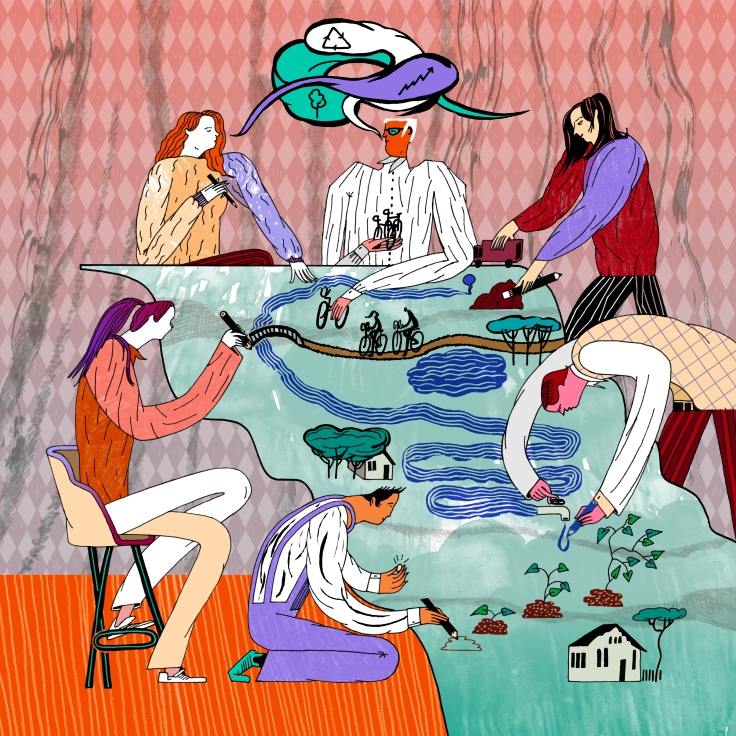
The European changemakers created three different visions of a future nature-centred Europe; however, the process was difficult as not everybody shared the same views of what a desirable future looks like. To facilitate the collaborative process in such circumstances, the workshop participants created the visions with the help of exploratory scenarios based in Socio-economic pathways. Exploratory scenarios describe what might happen in the future, exploring drivers such as attitudes toward sustainability or resource use of change, and uncertainties.
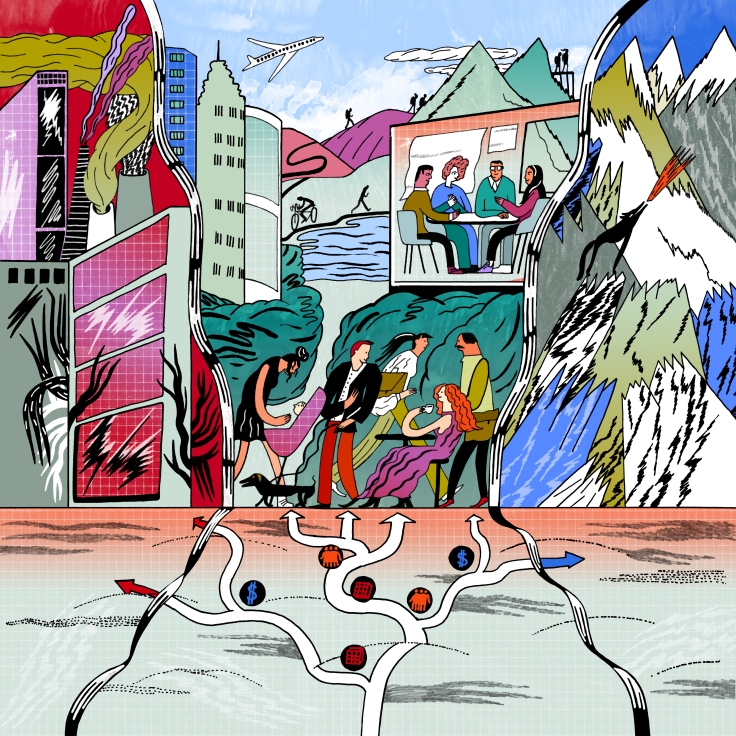
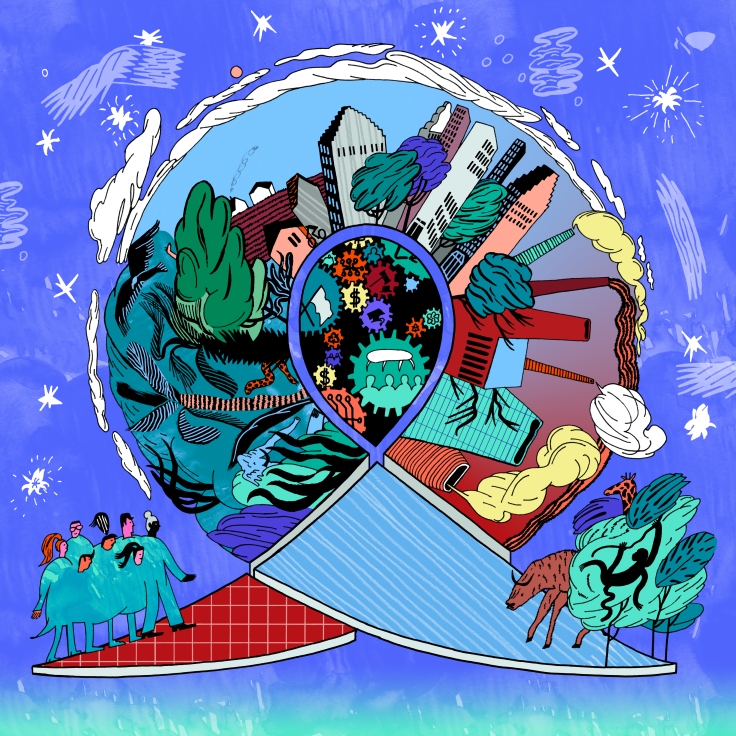
The first vision created at the workshop was Nature for Society, which emphasises the importance of nature and its contribution to human well-being, manifested through e.g., sustainable agriculture and forest management, or rewilding of degraded landscapes. The second vision, Nature as Culture, builds on stewardship for nature and on stronger connections with place-based cultures, wisdom, and knowledge. In other words this vision is looking for a symbiotic human-nature relationship. Nature for Nature is the third vision and presents a Europe where inherent values of nature are of the highest importance, leaving a large share of nature intact. You can read more about the visions for Europe here.

Next steps.
The stakeholder diversity and the multi-layered research process in the BIONEXT are crucial for capturing and analysing the full picture of the realities and prospects for future visions. The changemakers and researchers will continue developing these visions for the next 3 years. The project also aims to identify just pathways to sustainable societies based on these visions.
We will keep you updated on our progress.
This blog post is based on a post by Maija Airos







 SustainableCZ
Leave a comment