

Throughout the BIONEXT project (🔗), the CzechGlobe (🔗) team played an active role as a work package co-lead and leader of several tasks, contributing to research on transformative change in the biodiversity nexus and pathways towards nature-positive futures for Europe. The team consisted of Zuzana Harmáčková, Simon Vaňo, Alejandrina Viesca-Ramirez, Romana Jungwirth Březovská, and Suvendu Das.
Rethinking transformation for a nature-positive Europe
Europe faces interconnected challenges, from biodiversity loss and climate change to water, food, energy, transport, and health pressures. Addressing them requires more than isolated solutions. It requires transformative change: fundamental shifts in how societies interact with and govern nature. This was the focus of the Horizon Europe BIONEXT project, which adopted a biodiversity nexus approach linking biodiversity with climate, food, water, energy, transport, and health. By exploring the connections, synergies, and trade-offs across these sectors, BIONEXT investigated how Europe can transition towards resilient, equitable, and nature-positive futures.
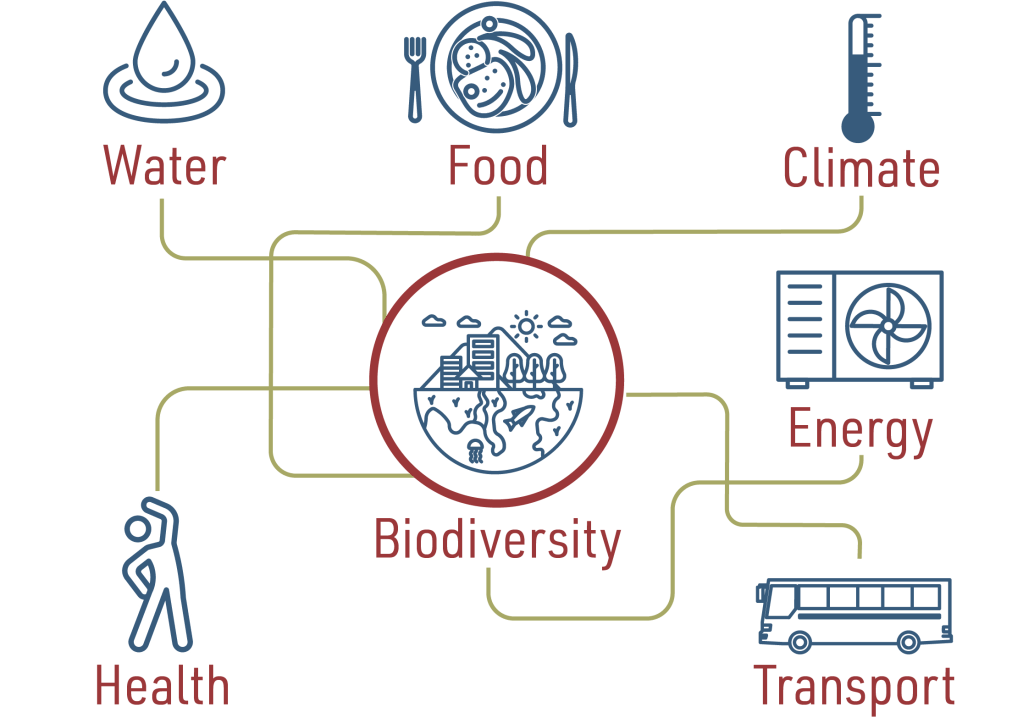
Importantly, BIONEXT developed in parallel with the ongoing work of the Intergovernmental Science-Policy Platform on Biodiversity and Ecosystem Services (IPBES), particularly its assessment on transformative change and the nexus. The project therefore contributed to broader international conversations about how societies can achieve sustainable and equitable futures while halting biodiversity loss.
A co-creation journey to envision nature-positive Europe
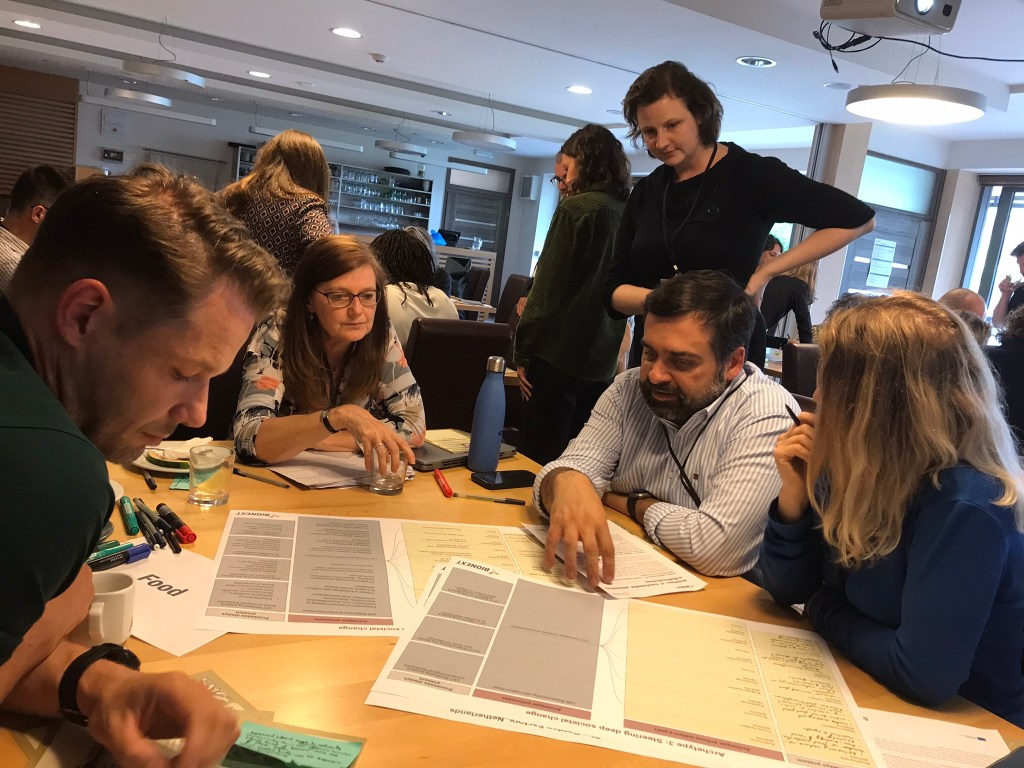
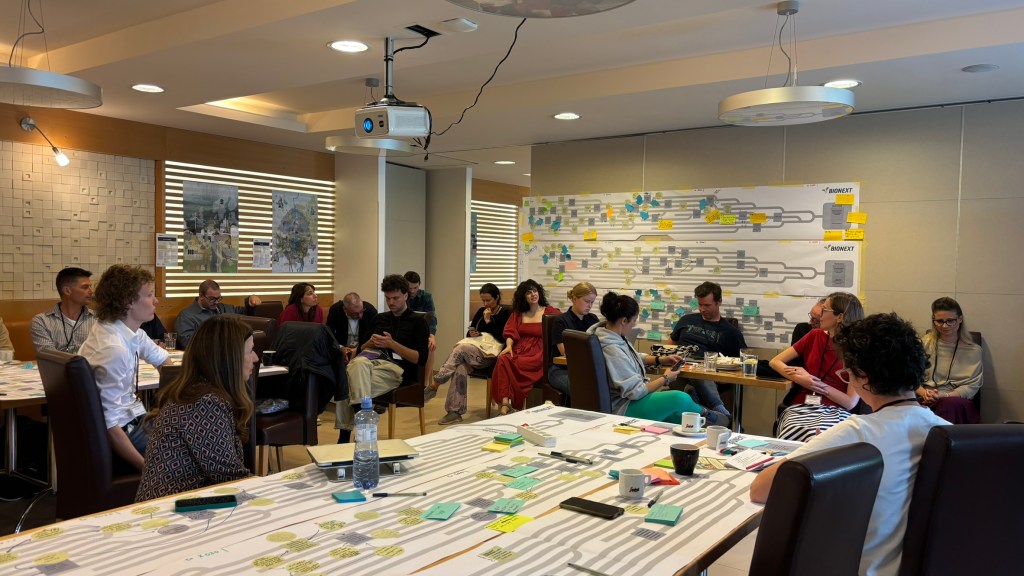
At the heart of BIONEXT was an ambitious participatory process involving stakeholders from across Europe. Experts representing biodiversity nexus sectors, together with actors from civil society, government, research organisations, businesses, and minority groups, engaged in a multi-year pathway co-creation process. This process unfolded through four major workshops: Santorini in Greece (2023); Schoorl in The Netherlands (2024); Teplice in Czechia (2025); and Antwerp in Belgium (2026).
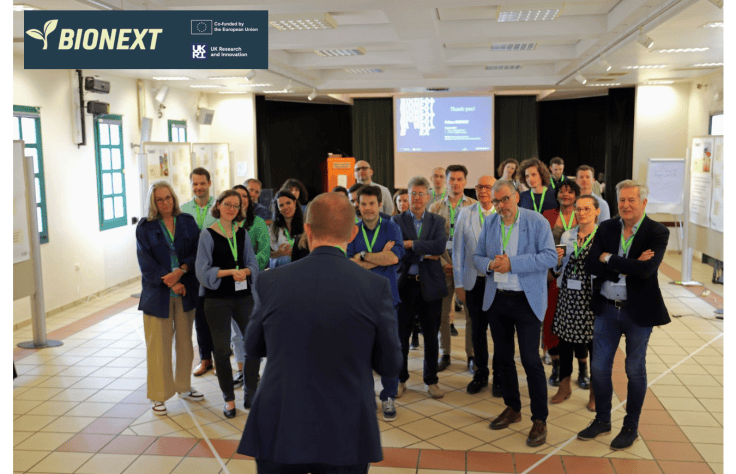
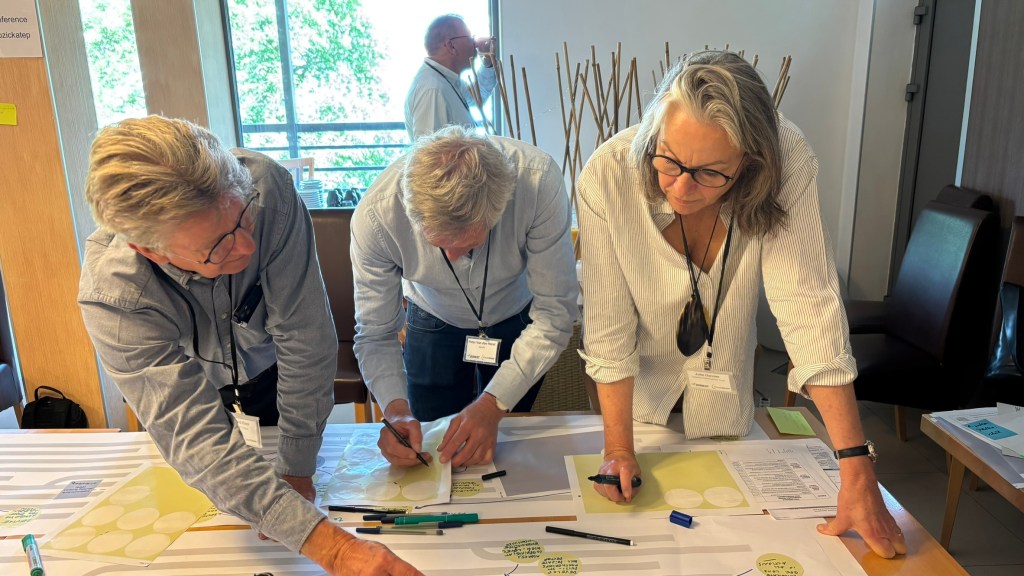
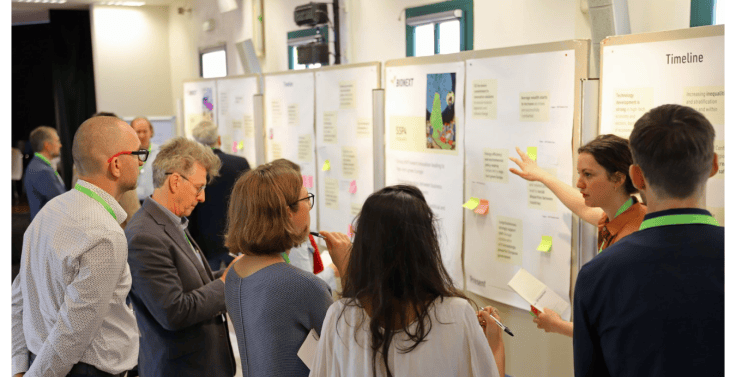
Participants brought diverse expertise spanning biodiversity, agriculture, climate, energy, water management, transport, health, governance and social innovation. Through dialogue, scenario-building, systems thinking, and futures methodologies, they collectively explored how Europe could transition toward nature-positive futures by 2050. Three contrasting but complementary visions for a nature-positive Europe were co-created:
- Dòigh Nàdair (Nature as Culture) emphasises community stewardship, local governance and strong human–nature relationships.
- NaturAll (Nature for Nature) prioritises ecological integrity, biodiversity protection and sufficiency
- Return to Nature (Nature for Society) focuses on innovation, circularity and nature-based solutions.
Despite their different value perspectives, all three visions converge towards common objectives demonstrating that multiple pathways can lead to a nature-positive future for Europe.
Key research outputs led by CzechGlobe
Over the course of the project, BIONEXT generated a range of scientific publications, policy recommendations, databases, and methodological advances to support transformative change in the biodiversity nexus. Below are several notable research outputs that CzechGlobe researchers led during the BIONEXT project.
Transformative change in real-world settings: To understand how transformative change unfolds in practice, BIONEXT screened more than 500 biodiversity-related case studies and initiatives from across Europe, from which 31 representative cases were selected for in-depth analysis. Archetype analysis of these cases provided valuable insights into actions and processes enabling transformative, nature-positive change in real-world settings. The research showed that successful nature-positive outcomes emerge through interconnected interventions and processes that foster shifts in societal norms and values, participatory knowledge-exchange processes that engage broader communities, governance reforms towards more collaborative and co-governance approaches, and adaptive forms of change supported by continuous learning, monitoring, and feedback. Using archetype analysis, this research identified recurring patterns of transformative processes, helping bridge the gap between conceptual theory and practical implementation.The study provide valuable insights into how transformative outcomes emerge in reality rather than only in future scenarios.
Related article:
Vaňo et al., 2026. Transformative change mechanisms in European biodiversity nexus cases: An empirical archetype analysis. (article in review)
Understanding pathway mechanisms: The pathway co-creation workshops with stakehodlers produced a rich dataset of 634 actions spanning the 2030, 2040, and 2050 time horizons. Going beyond understanding these actions as isolated interventions, researchers applied network analysis to explore how they connect, enable and reinforce one another, and evolve through time. This revealed a set of recurring pathway mechanisms: sequenced combinations of actions that collectively drive systemic change, offering new insights into how nature-positive futures can emerge from coordinated social, economic, governance, and environmental efforts. Overall, the analysis identified distinct but complementary mechanisms across the three pathways studies in BIONEXT: place-based regeneration through governance, localisation, and social equity (NaC); nature-centred institutional transformation through biodiversity governance and regenerative food systems (NfN); and socio-ecological resilience and wellbeing through circularity, integrated resource systems, and economic transformation (NfS).
Related articles:
Vaňo et al., 2026. Recurring mechanisms of transformative change driving nature-positive pathways in Europe. (forthcoming article)
Vaňo et al., 2026. Co-Created Pathway Actions for Nature-Positive Futures Across the European Biodiversity Nexus (BIONEXT) [Data set].
Biodiversity in future European scenarios: BIONEXT also examined how biodiversity is embedded within the European Shared Socio-economic Pathways (Eur-SSPs), exploring the complex interactions between environmental, social, economic, and governance drivers that shape future biodiversity outcomes. Using causal loop diagrams and network analysis, researchers identified the dominant feedbacks and causal cascades influencing biodiversity across alternative futures. The analysis showed that positive biodiversity outcomes depend not only on environmental policies but also on broader factors such as governance quality, social cohesion, economic priorities, and societal values. By revealing the patterns through which changes propagate across sectors and systems, this research provides new insights into how future development pathways can either support or undermine nature-positive futures.
Related article:
Das et al. (forthcoming article)
A legacy beyond the project BIONEXT
BIONEXT has generated far more than a collection of scientific publications. It has created a collaborative platform bringing together researchers, practitioners, policymakers, and stakeholders across Europe to explore what transformative change could look like in practice. By combining participatory futures, evidence synthesis, transformative change theory, governance research, nexus thinking, systems modelling, and reflexive research practices, the project has advanced both the scientific understanding and practical implementation of nature-positive transformation. As biodiversity and sustainability challenges continue to intensify, the knowledge generated through BIONEXT provides an increasingly important foundation for designing resilient, equitable, and nature-positive futures for Europe.
To learn more, visit BIONEXT project website or follow on Linkedin.



This work was co-funded by UK Research and Innovation (UKRI) under the UK Government guarantee for the Horizon Europe program (number 10039588).









Leave a Reply