Extrémní projevy počasí jako vichřice, sucho nebo povodně se kvůli klimatickým změnám i v Česku stávají čím dál častějšími. Míra dopadů těchto katastrof závisí na resilienci, tedy odolnosti společnosti a její schopnosti se s podobnými událostmi vyrovnat a předcházet jim. Nová studie Národního institutu SYRI ukazuje, že je český systém snižování rizik katastrof zatím zaměřený především na tradiční krizové řízení... Continue Reading →
Regional Youth Workshop on IPBES for Europe and Central Asia 2025
From 10 to 14 November 2025, I took part in the Regional Youth Workshop on IPBES for Europe and Central Asia at the International Academy for Nature Conservation on the Isle of Vilm, Germany. Hosted by the German Federal Agency for Nature Conservation (BfN), the workshop brought together early-career participants working on biodiversity, ecosystem services... Continue Reading →
The 8th International Workshop on Archetype Analysis in Sustainability Research
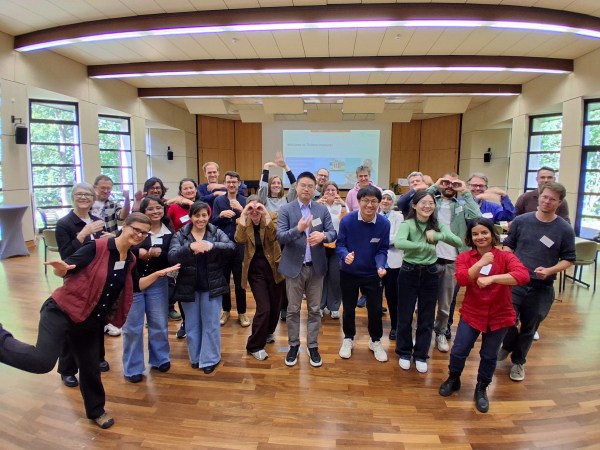
From 29 September to 1 October 2025, the interdisciplinary research community engaged in archetype analysis convened for the 8th International Workshop on Archetype Analysis in Sustainability Research. Hosted at the Thünen Institute of Biodiversity in Braunschweig, Germany, the event brought together around 40 researchers, providing a dynamic forum for exchanging and advancing ideas at the... Continue Reading →
Recapping a short-term research stay at Utrecht University
From 26 May to 20 June 2025 I had the opportunity to spend four weeks at the Faculty of Geosciences at Utrecht University, where I was hosted by the Spatial Planning Group led by Prof. Niki Frantzeskaki. This research stay was made possible thanks to the TransformERS COST Action (CA22156), under which it was awarded... Continue Reading →
Výzkumná spolupráce s Aalto University v oblasti designu a udržitelnosti
Co je podstatné při procesu designování sociálně-ekologické transformace? A jak aktuálně vypadá design pro rozvoj resilience? Na tyto a další související otázky získávala odpovědi doktorandka Anna Bromová z Oddělení sociálně-ekologické analýzy v rámci tříměsíčního výzkumného pobytu na Oddělení designu při Aalto University ve Finsku. Na přelomu roku prohloubila spolupráci se svou mentorkou z mentoringového programu Národního institutu... Continue Reading →
Beskydy Workshop 2024: Exploring Transformative Perspectives on Nature-Based Governance
The Beskydy Workshop 2024, held from September 24–26 at Hotel Horal in Velké Karlovice, focused on the theme of "Nature-Based Governance: Coevolutionary and Transformative Perspectives on the Biodiversity and Climate Crises." This scientific gathering brought together researchers and practitioners to explore nature-based governance (NBG) from a coevolutionary and co-creative perspective by responding to people's and... Continue Reading →
Heat vulnerability scenarios to support adaptation efforts in cities
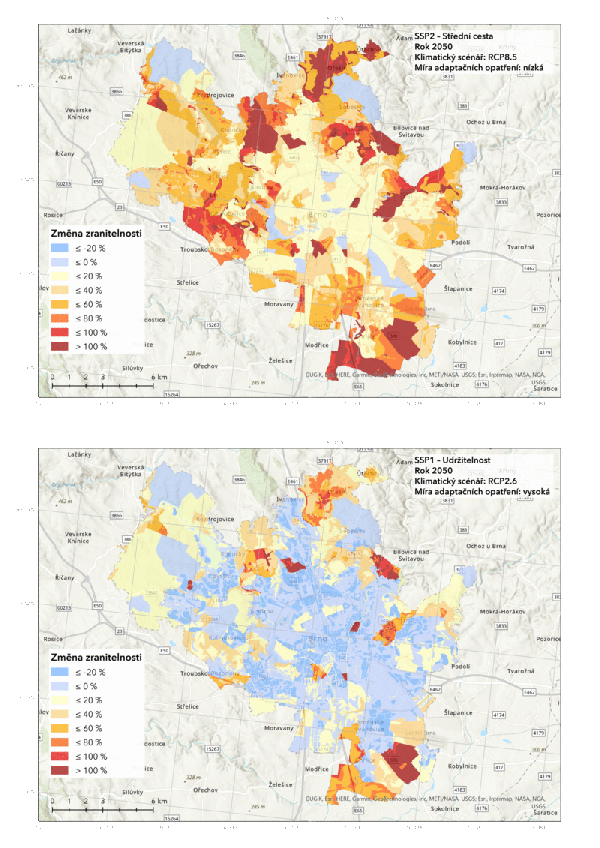
In 2022, Czech Globe in cooperation with the Institute of Informatics of the CAS completed the project "Adaptation challenges of cities: supporting sustainable planning using integrated vulnerability analysis", supported by the Technology Agency of the Czech Republic. The project has developed an integrated methodology for assessing the vulnerability to future temperature extremes in cities, which... Continue Reading →
Engaging in Education: Our Contribution to Shaping Future Environmental Policy Experts
The Human Dimensions department has a long-standing tradition of actively contributing to higher education by engaging with universities. This involvement plays a crucial role in connecting academic research with real-world challenges. The collaboration includes teaching at institutions such as the Faculty of Science at Charles University and Masaryk University in Brno. Most recently, Eva Horváthová... Continue Reading →
Amsterdam Complexity School on Climate Change
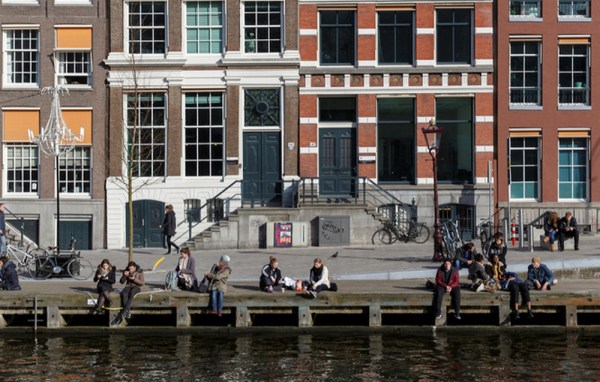
A modeller from the UK, a marine biologist from the Netherlands, and a policy analyst from Estonia meet in Amsterdam... What may sound like the beginning of an anecdote is in fact a snapshot of 40 individuals, mostly from Europe, meeting on the (sunny!) banks of one of Amsterdam’s canals, coming together for a week... Continue Reading →
PLUS Change project contributes to shaping land use strategies in Nitra city
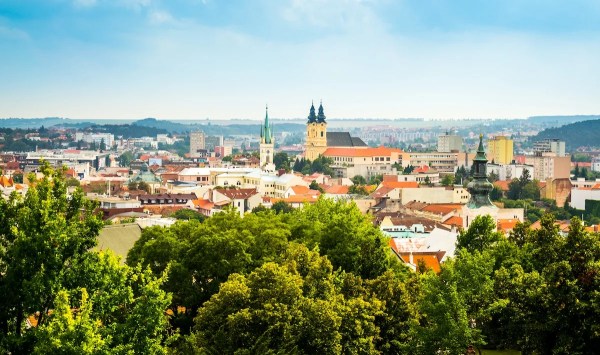
Sustainable land use strategies in both urban and rural areas in Europe must be planned to meet biodiversity, climate and human wellbeing in a changing world. The PLUS Change project aims to help achieve this through a series of research activities and participatory workshops in 12 case studies from 11 EU countries. One of these... Continue Reading →
The Electoral Climate in India
In April and May this year, the largest population of climate-vulnerable voters took to the polling booths amidst unprecedented heat waves in India. The extreme weather events brought home concerns climate activists, researchers, and journalists raised about the missing climate question in India's electoral agendas. A lot has been said about whether or not climate... Continue Reading →
SSH Centre: Workshop on Mobility Communities
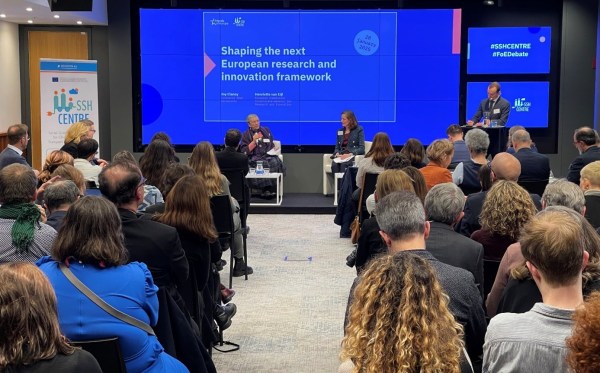
In April 2024, a two-day workshop on Mobility Communities was held in Porto, Portugal, as part of series of workshops organised under the Knowledge Brokerage Programme within the project SSH Centre. CzechGlobe, a partner of the project consortium, was represented by Tereza Prášilová, who attended the workshop as an active observer. First day of the... Continue Reading →
Interactions between biodiversity and related sectors in Europe.
This blog post summarises a recently published article Understanding the role of biodiversity in the climate, food, water, energy, transport and health nexus in Europe by Kim et al. 2024, also co-authored by the Czech Globe team represented by Romana Jungwirth Březovská, Simeon Vaňo and Alejandrina Viesca-Ramirez. This work is part of the wider activities... Continue Reading →
Plus Change – 1st Workshop in the Nitra City Practice Case
The PLUS Change project aims to develop strategies and decision-making processes for land use that effectively address challenges related to climate change, biodiversity, and human well-being. The project involves interventions across diverse political, economic, societal, material, and cultural contexts, involving actors at multiple decision-making levels including the individual, land management, planning, and policy levels. This... Continue Reading →
Unveiling Synergies: Biodiversity and the UN’s Climate Conference of 2023
With the global climate negotiations progressing, and countries now - for the first time ever! - being called on to transition away from fossil fuels in energy systems, the role of biodiversity in tackling the climate crisis is becoming more and more apparent. Unprecedentedly, the most awaited final text of COP28, the Outcome of the... Continue Reading →
Using the Campbell Paradigm to Understand the Role of Institutional Trust in Environmental Policy Support
Public support strongly impacts social change. This has been shown by Elinor Ostrom, the winner of the Nobel Prize in Economic Sciences. At the same time, one of the key factors in the sustainable transformation of societies is the people’s action. Previous research has proven that the lack of popular backing can hinder the adoption... Continue Reading →
IPBES fellows workshop and capacity building forum: a dive into the Nexus world café
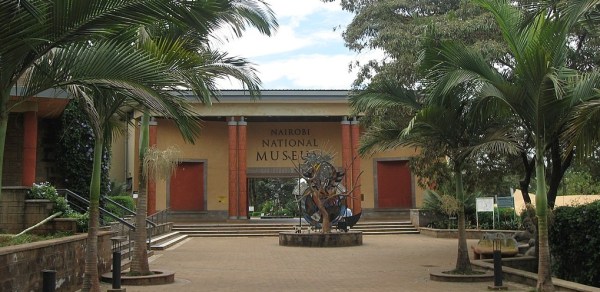
I attended an IPBES fellows training in Nairobi, Kenya, on 9–11 April. During the training, fellows involved in the Nexus, Transformative Change and Invasive Alien Species assessments had a chance to exchange knowledge and discuss common issues across the assessments while also strengthening their network and having a bit of fun. The training concluded with... Continue Reading →
Degrowth debunked or decoupling debunked?
Beyond economic growth in sustainability debates. We quite often witness heated disputes on the direction of sustainability transitions. These debates are slowly making its way also to popular spaces and the media, often distorted and biased. Within this discourse, there are two recognisable ideological streams: one representing the proponents of ...
SYRI: Jak posílit společenskou i environmentální odolnost jako prevenci systémových rizik?
Výzkumníci a výzkumnice z CzechGlobe jsou součástí národního výzkumného konsorcia zkoumajícího dopady systémových rizik na společnost a ekonomiku. SYRI (Národní institut pro výzkum socioekonomických dopadů nemocí a systémových rizik) je virtuální vědecký hub, který sdružuje odborníky z Masarykovy univerzity, Univerzity Karlovy a ústavů Akademie věd ČR. Vznikl jako reakce na zjištění, že současné výzvy (včetně... Continue Reading →
SYRI: How to strengthen social and environmental resilience as a prevention of systemic risks?
CzechGlobe researchers are part of a national research consortium investigating the impacts of systemic risks on society and the economy. SYRI (National Institute for Research on the Socioeconomic Impact of Disease and Systemic Risk) is a virtual scientific hub that brings together experts from Masaryk University, Charles University and institutes of the Czech Academy of... Continue Reading →
Ideas for just landscape transformation: the last round of Just Scapes workshops
What are the possible solutions that would help remove barriers to landscape change and transition towards sustainable land management from the perspective of local stakeholders? In February 2023, we held the last round of Just Scapes participatory workshops. For the past two years, we have been doing research focused on possible landscape and land management... Continue Reading →
TRANSPATH: Jak zajistit synergická a spravedlivá opatření v oblasti biodiverzity a klimatu?
Odborníci z CzechGlobe se připojují k mezinárodnímu konsorciu zkoumajícímu, jaké cesty by nám mohly pomoci transformovat řetězce mezi těžbou, výrobou, spotřebou a obchodem tak, abychom dosáhli pozitivních výsledků pro klima a biologickou rozmanitost. Nový čtyřletý projekt TRANSPATH je financován z programu Evropské unie pro výzkum a inovace Horizon Europe. Pomůže identifikovat intervence a body působení... Continue Reading →
BIONEXT: Poskytování integrovaných řešení krize biologické rozmanitosti
Odborníci z CzechGlobe se připojují k předním evropským vědcům, aby poskytli praktická a účinná řešení pro řešení globální krize biodiverzity. Nový čtyřletý projekt BIONEXT, financovaný z programu EU pro výzkum a inovace Horizon Europe, přinese nové poznatky demonstrující, jakými způsoby je biologická rozmanitost základem všech aspektů života, včetně vody, kterou pijeme, potravin, které jíme, a... Continue Reading →
BIONEXT: Providing integrated solutions to the biodiversity crisis
Experts from CzechGlobe are joining leading scientists from across Europe to provide practical and effective solutions for addressing the global biodiversity crisis. The new four-year project, BIONEXT, funded by the EU’s research and innovation program Horizon Europe, will produce new evidence to demonstrate how biodiversity underpins every aspect of life, including the water we drink,... Continue Reading →
Practical wisdom and virtue ethics for knowledge co-production in sustainability science
A new paper has been published in Nature Sustainability in which an international team of authors led by Guido Caniglia of the Konrad Lorenz Institute for Evolution and Cognition Research explore the use of practical wisdom and virtue ethics in knowledge co-production in sustainability science. Practical wisdom and virtue ethics strengthen the capacity of sustainability... Continue Reading →
Living in unbearably hot cities – is this our future?
Climate change and its impacts, such as extreme heat, represent an unprecedented challenge for cities, causing overheating and threatening the future prosperity, health and well-being of urban residents. Climate adaptation is one of the central topics for sustainable cities and societies. Yet, we have limited knowledge about the magnitude of climate change that we will... Continue Reading →
We prepared a creative writing workshop in Želechovice under the Just Scapes project
The one-day weekend workshop taught participants new creative writing and creative visual methods. It focused on works and ideas connected to nature, the landscape, and the environment. This workshop took place as part of the Just Scapes project, which deals with the just transformation of society and the landscape in the European countryside. We collaborated... Continue Reading →
Egoists like climate adaptation but not climate mitigation
In our recent blog post we argued that engaging in climate adaptation does not undermine the willingness of individuals to engage in climate mitigation and vice versa. In another study that is currently under review in a peer-reviewed journal (preprint of this study is linked here) we studied what values are typically associated with individual... Continue Reading →
Just Scapes: Participatory workshops addressing just transformations of the European countryside from the perspective of Slovácko, Horňácko, and Valašsko regions
What changes do we see in local landscape and society, and what would we like to happen in the future? How do we ensure that the effects of these changes are just for everyone? The European countryside is undergoing great social and natural changes, including climate change. However, the impacts of these changes affect various... Continue Reading →
Zranitelnost českých měst vůči teplotním extrémům
V letech 2018–2022 Ústav výzkumu globální změny AV ČR ve spolupráci s Ústavem informatiky AV ČR realizoval projekt „Adaptační výzvy měst: podpora udržitelného plánování s využitím integrované analýzy zranitelnosti“, který byl podpořen Technologickou agenturou ČR (TAČR) v rámci programu ÉTA. Cílem projektu bylo na příkladu Prahy, Brna a Ostravy vyvinout jednotnou metodiku pro hodnocení budoucí zranitelnosti měst vůči teplotním... Continue Reading →
How to best address climate change? Reflections on the Science for Net-Zero Transition and Empowering Policy Makers panels
In November of last year, The United Kingdom hosted 26 United Nations Climate Change Conference of the Parties (COP26). The Climate talks brought together over 30 000 delegates, among them Climate experts, politicians and activists to discuss actions in order to address climate change. In the fringe of COP26, UKRI and Science Europe convened the Science... Continue Reading →
LIFE LOCAL ADAPT project comes to an end.
Project LIFE LOCAL ADAPT aims to integrate climate change adaptation into the work of urban authorities on a local level. Six partners from four countries (figure 1) came together in 2016 to start a five-year project that addressed: Improvement of data and information base on climate change impactsEnhancing the knowledge of municipalities on climate change... Continue Reading →
Vznikla česká pracovní skupina sítě POLLEN
POLLEN je globální síť pro politickou ekologii (výzkumnou oblast řešící, jakým způsobem se politické a společenské uspořádání podepisuje na správě přírodního prostředí a zdrojů). Cílem sítě POLLEN je podporovat spolupráci mezi lidmi, kteří se věnují otázkám politické ekologie, zprostředkovávat výměnu zkušeností a propagovat význam politické ekologie po celém světě mezi akademiky i dalšími skupinami. Činnost... Continue Reading →
PANELOVÉ DISKUZE Opatření v oblasti změny klimatu
Ústav výzkumu globální změny AV ČR – CzechGlobe Vás srdečně zve na sérii panelových diskuzí, jejichž cílem je veřejnosti vysvětlit problémy související s klimatickou změnou a nabídnout možná východiska. Během této série diskuzí získáte vědecké informace potřebné k tomu, abyste porozuměli reakci na klimatickou změnu, a to zejména v přípravě na konferenci COP26, která se bude konat v Glasgow od 1. do 12. listopadu. Listopadová COP26 se musí zaměřit... Continue Reading →
Climate adaptation and climate mitigation do not undermine each other
In our new paper in the Journal of Environmental Psychology, we report results from an experimental cross-cultural study conducted in Czechia, Hungary, Poland, and Slovakia. We found that support for climate adaptation does not undermine people’s commitment to climate mitigation and vice versa. In fact, we found that prior focus on climate adaptation increases worry... Continue Reading →
O městech, klimatické změně a scénářích budoucího vývoje
Eskalující klimatická změna se více či méně hmatatelně dotýká všech aspektů našeho života a její dopady můžeme pociťovat bez ohledu na to, kde žijeme. To jen v závislosti na místních podmínkách se liší charakter a síla těchto vlivů. Zároveň žijeme v takzvaném sociálně-ekologickém systému, ve kterém je člověk a příroda kompletně provázán – lidská činnost má přímý... Continue Reading →
Public support for urban climate adaptation policy through nature-based solutions
The impacts of climate change on urban life require response in terms of adaptation planning. We investigated perceptions of and economic preferences for urban climate adaptation through nature-based solutions (NBS) in Prague and found that: (i) increased use of NBS is likely to generate significant economic public value; (ii) people perceive the species diversity of the NBS measures positively; (iii) NBS implemented in...
Started from the bottom: a new track for strategic green space planning in cities?
This blog post summarises the background and core ideas of the recently published article dealing with the inclusive approaches to green space planning and governance in cities as part of my doctoral research. When doing my Master’s, I got deeply interested in the topic of urban sustainability. It all started with my teacher talking about... Continue Reading →
Od změny klimatu ke klimatické akci (od přírodních věd ke společenským vědám)
Mezivládní panel pro změnu klimatu (IPCC) vydal 9. srpna svoji Šestou hodnotící zprávu o fyzikálních základech změny klimatu. Zpráva hodnotí současné vědecké poznání v oblasti procesů a dopadů změny klimatu, projekcí budoucího oteplování a dopadů na klimatické systémy. Jedná se o zprávu shrnující, proč potřebujeme ohledně klimatické změny urychleně jednat, tedy proč potřebujeme tzv. klimatickou... Continue Reading →
From Climate Change to Climate Action (from physical science to social science)
On Monday, the IPCC’s 6th assessment report on the physical science basis of climate change will be released. The report assesses the current scientific knowledge on the processes and impacts of climate change, projected future warming, and impacts on climate systems. It is a report on why we need to act on climate change. It... Continue Reading →
Making re-naturalisation of cities a common practice
Cities provide a locus for sustainability. We live on an increasingly urban planet. Roughly three-quarters of Europe’s population lives in cities today, including the Czech republic. Scientists predict that this will be the case for the rest of the world by the second half of this century. People are moving into cities and thus cities... Continue Reading →
Trust in Numbers? Science for Sustainability
When I was doing my PhD, someone at a conference suggested that I check out a book called “Trust in Numbers” by Theodore M. Porter. I had gone straight from fieldwork to the conference, and was dealing with the reality that the results were not really relevant to what I had proposed talking about when... Continue Reading →
Getting a grasp on urban challenges and futures in face of the climate crisis: The collaborative scenario-based techniques.
Climate crisis is happening here and now… and we must act! But do we know the whats, wheres, whens, and hows? We are witnessing an escalating climate crisis worldwide. Urban areas, accommodating a large portion of the world’s population, experience growing concerns from climate-related impacts in relatively compact space. Increasing risks of heatwaves due to... Continue Reading →
Systems Change not Climate Change… but how?
Last week I published an editorial, attached to a special issue in Sustainability Science on the topic of Leverage Points for sustainability transformations (available mainly as open access here). In it, we raise nine questions for working with leverage points and systems change. For those already engaged with systems thinking, and the topic of leverage... Continue Reading →